Postby Peter–Johnsson » Mon Jan 30, 2006 5:56 am
Really sorry to hear that!
The best is to contact Albion and hear what can be done, if anything.
A sword is never built to attack hard unyildig targets. Even a massive opponent has some give to him.
You do not fell trees with a sword, and so should not attack a pell with full force.
The sword might take it, for a while at least, but in the end it *will* suffer.
If you do train cutting and trhusting with your sword (this is what it was built for after all) make sure your tagets *can* be impaled or cut through. If they are too stationary, massive and unyilding, the destructive power you load into your attack will harm the sword intstead of the target. The force has to go somewhere.
Much better use a blunt steel sword for this kind of beating. That is what training swords are made for.
The sharp sword should, to my mind, be sed to develop technique rather than force and stamina.
If you want a long using life for your sword pick you targets with some care. If you do not mind wear and more frequent maintentance, then go ahead and beat anything that is at hand. As long as the sword can be resharpened and restored you can keep using it. Restoration is tedious work however, and not much is gained from it really. You are better served to use other tools for frequent heavy impact traning and save your sword for actual cutting or thrusting at approporate targets.
To get an idea of what the sword was made to do, look at it: does it seem to be a cutting sword or a thrusting sword?
Is the cross section crisp and delicate, or is it beefy?
Take care to form an idea of how you sword is best put to use.
Think of it like a tool or a vehicle. Not every tool is a hammer, not every vehicle a hummer. Each for its specific task.
A sword is built to take a lot of punishment, but it can still be destroyed in an instant if put to improper use. That is not a matter of quality, it is a matter of intention and function.
Many medieval swords were used to oppose the armour of their time. We must understand that a sword will seldom defeat the armour itself. It is meant to defeat the guy *inside* the armour.
The sword must survive the harsh combat, but it is not realistic to assume there would be no marks on the weapon or the armour afterwards. By "surviving" is meant that the sword can still function as a weapon. Even a nicked edge will kill and maim, but it will take soem work to restoire it to full shaprness afterwards.
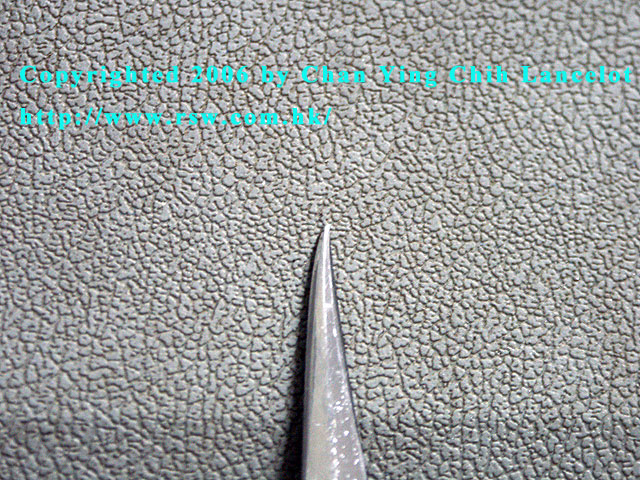
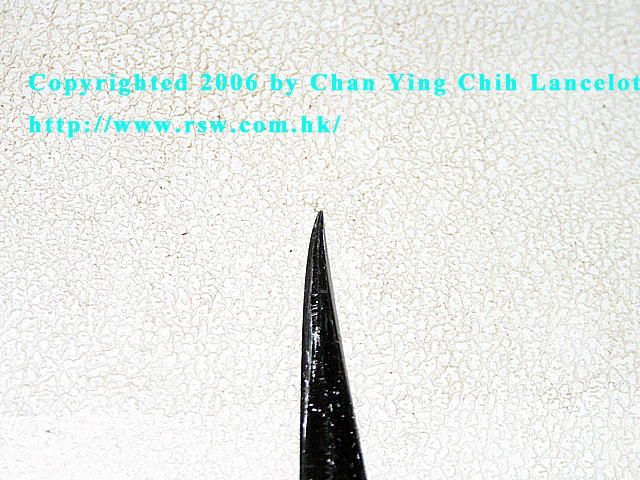
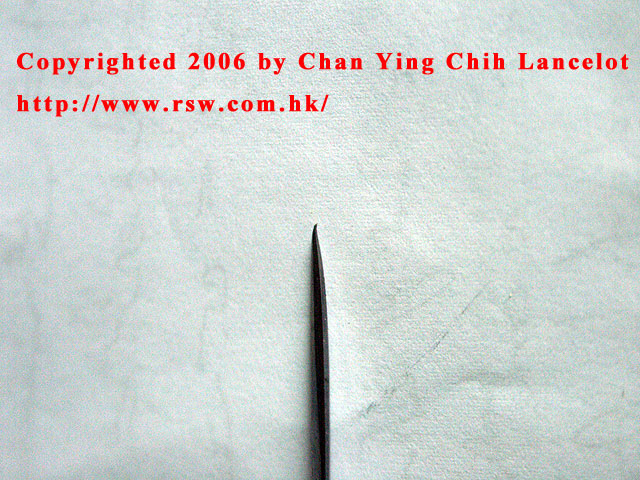
A bent blade is not so good however. That means the blade was overstressed. I cannot say if the blade yeilded at an unreasonably low force or if you applied more force than was needed for an effective cut or thrust. That is difficult to know if the target cannot be impaled or cut through.
There might be reason to look over this blade design again. I don´t know. The design as it is now is not outside what you see on originals. Many are even slimmer in their proportions but others are of course stouter.
(the big twohanded tourney sword of Henry VIII is thinner in the point for example).
It is also good to keep in mind that historical swords also got scarred from sharp use. It is very evident when you look at originals. They are frequently nicked and bent. It is what happens in a fight.
The more realistic and authentic swords we want the closer they are going to perform and deliver like these originals.
A sword is resilient, but never indestructible.
Even if it stands up well for a while, if you keep submitting it to heavy use it will in the end suffer the effects of material fatigue. I think that is what we saw happened to the Raven sword, John posted about on a separate thread. from what he said it had done good job at difficult targets for years. Still, you cannot expect a thin sharp edge to keep cutting or withstanding materials of similar hardness for ever without submitting to fatigue. The swordsman can rest when he is tired, but the sword will only take the punishment untill one day it chips, bends or breaks. There is no healing for a sword, only possible resharpening and straighetning.