|
||||||||
|
|
||||||||
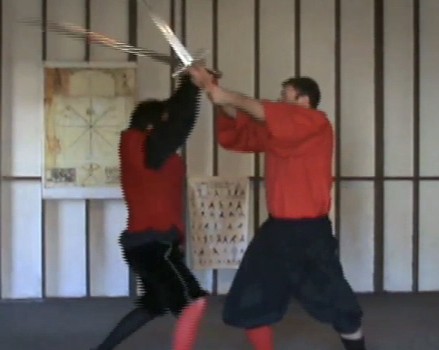
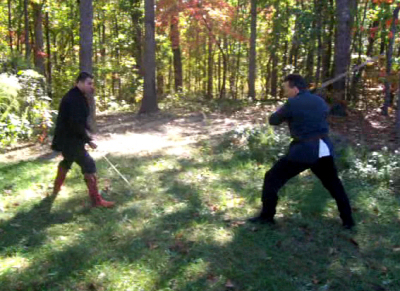
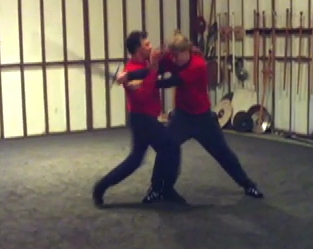
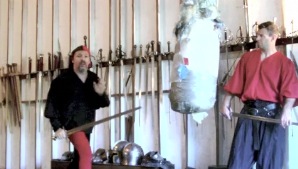
| ARMA Director One of the world's foremost practitioner  “After almost 45 years of study in this subject, I now have a focused interest on aiding the young student of the next generation of practitioners to achieve knowledge and prowess while avoiding the problems I had to deal with in my own study.” 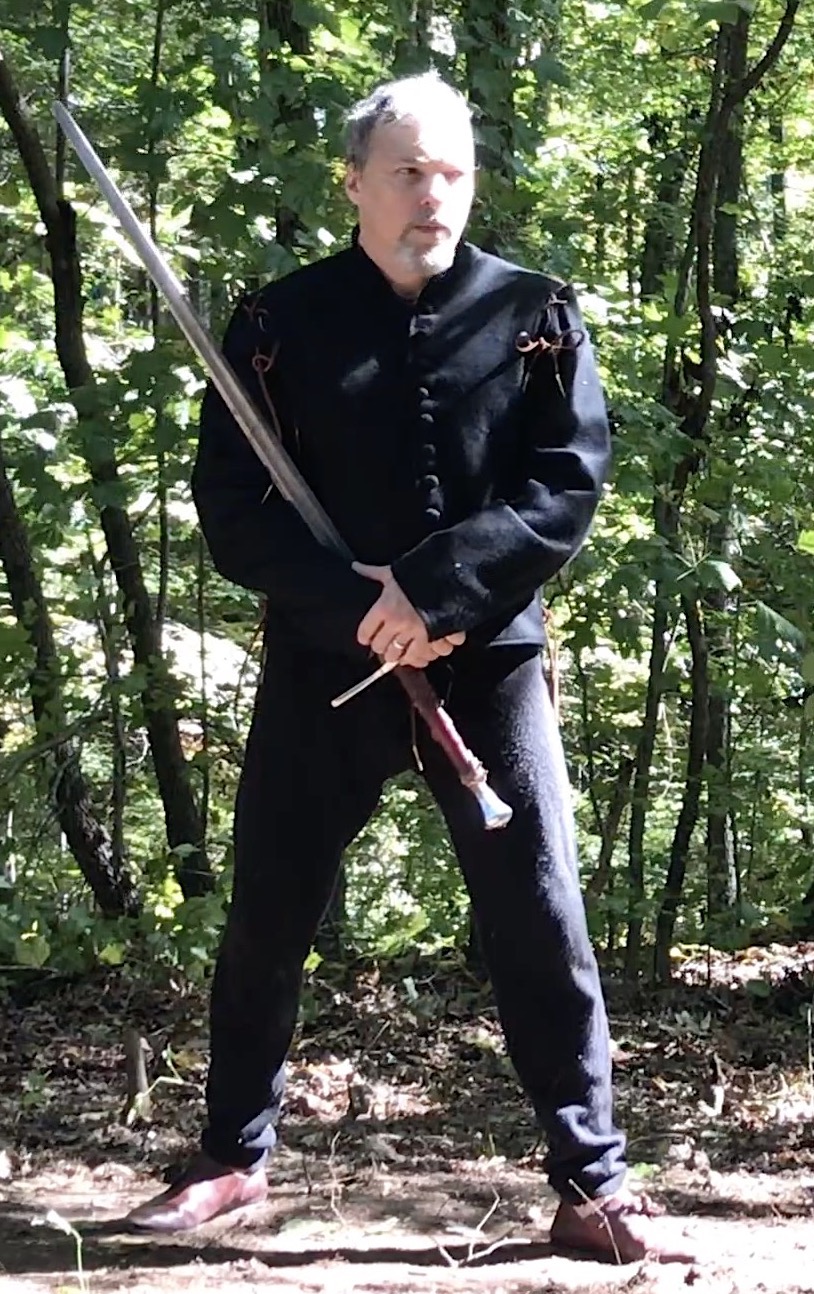 "Consulting Sword-master" Private Training Program Workshops and full Seminars available: Contact us with requests and information on fee and travel schedule. Presentation and lecture requests are welcome. Private lessons also available. Special arrangements possible for video, motion-capture, and CGI modeling. Advisory and Educational Services: Offering Professional
Fight Arrangement and Fencing Stunt-work for
Film, Television, and Motion-Capture: John
Clements
brings an unrivaled mastery of authentic historical
combat techniques for creating never-before seen
action featuring a unique 'Spontaneous Arranged Fight Execution' --SAFE (TM)
system-- of martially sound,
historically accurate, visually dynamic, and
physically intense material. Featuring an
authoritative and pioneering program with a
dynamic and highly original alternative outside
the box of current standards, Clements offers a
new
alternative to the dry, over-used cliches of
entertainment industry fight certification. Geared
for actors and performers at all levels of production looking for
martial arts, fencing, and stage-combat experience. 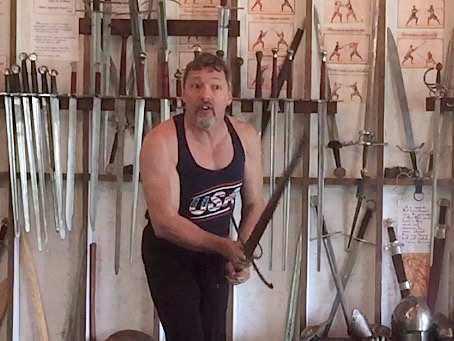 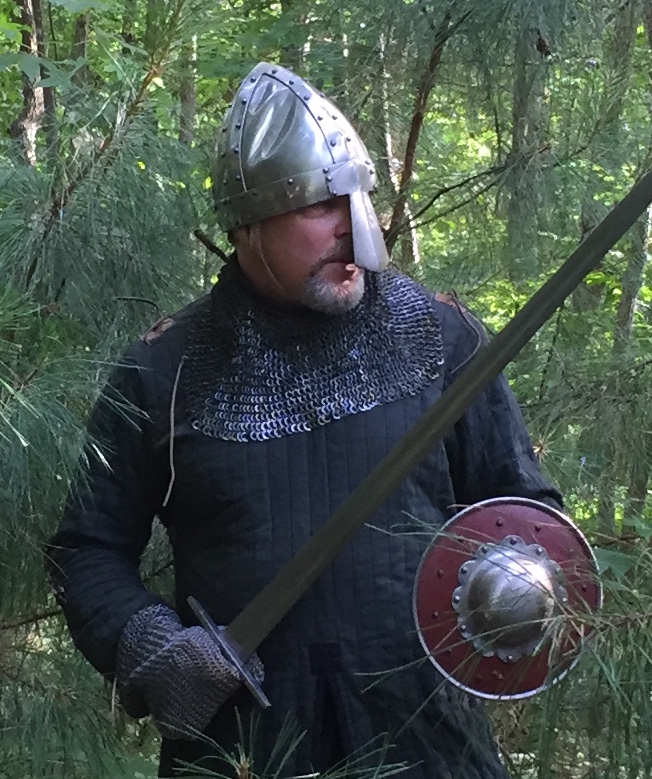 Ask about the Renaissance Martial Arts Lecture Series, Homeschooling Program, & Corporate Outings. "What we demonstrate in a presentation is a reconstructed exhibition of authentic European martial arts skills delivered not for amusement or stunt display, but education, cultural heritage, and self improvement." - John Clements Email the ARMA Director at: ARMAjohn@gmail.com Co-host of the 2019 combat sport program
Knight Fight on The History Channel 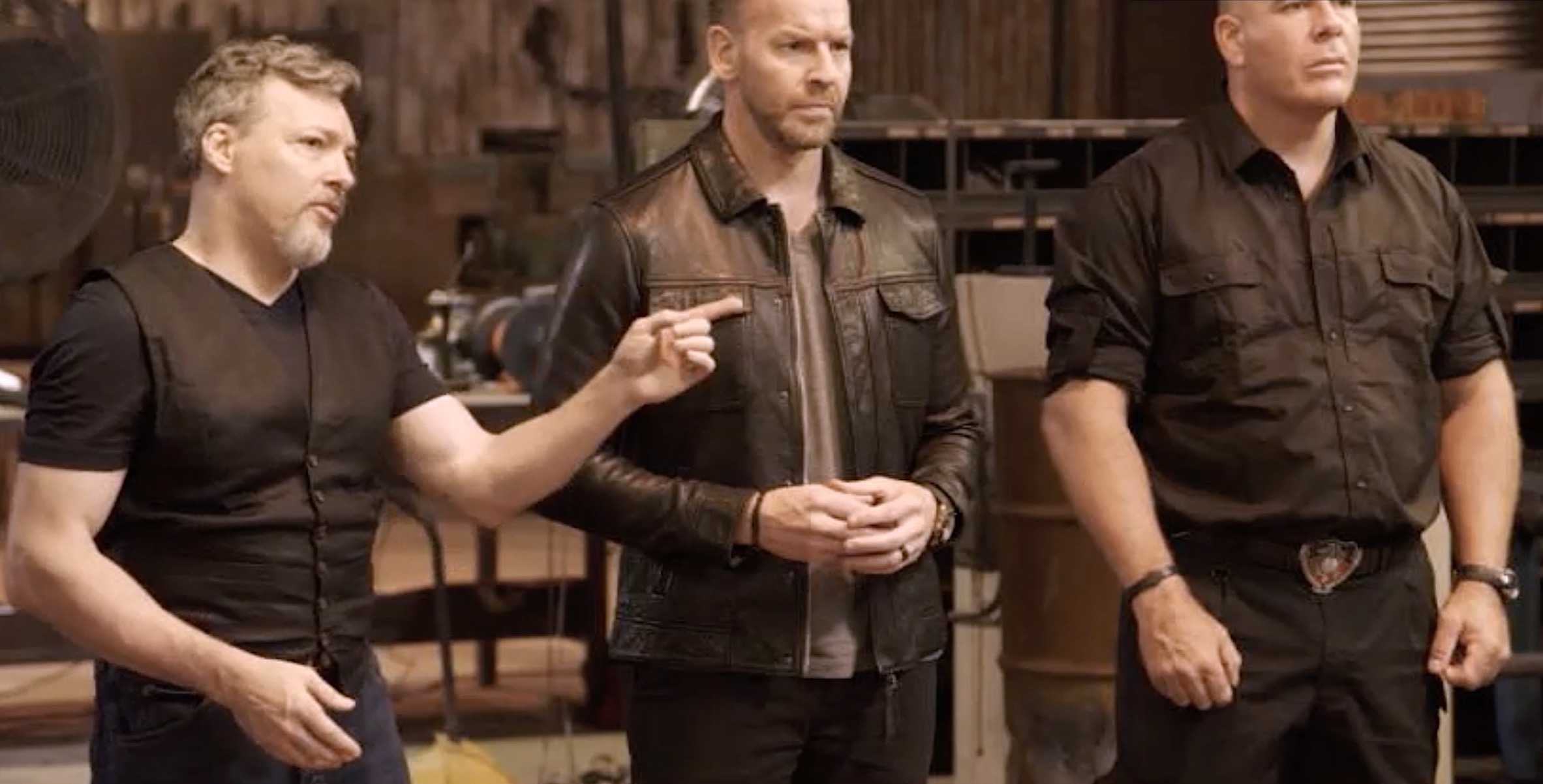 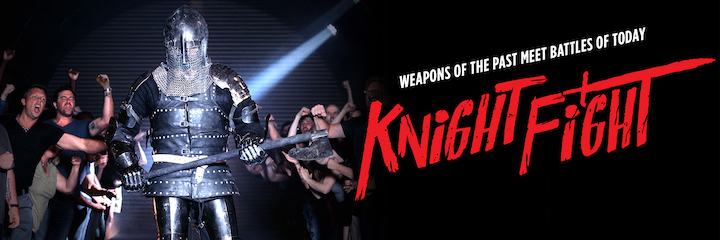 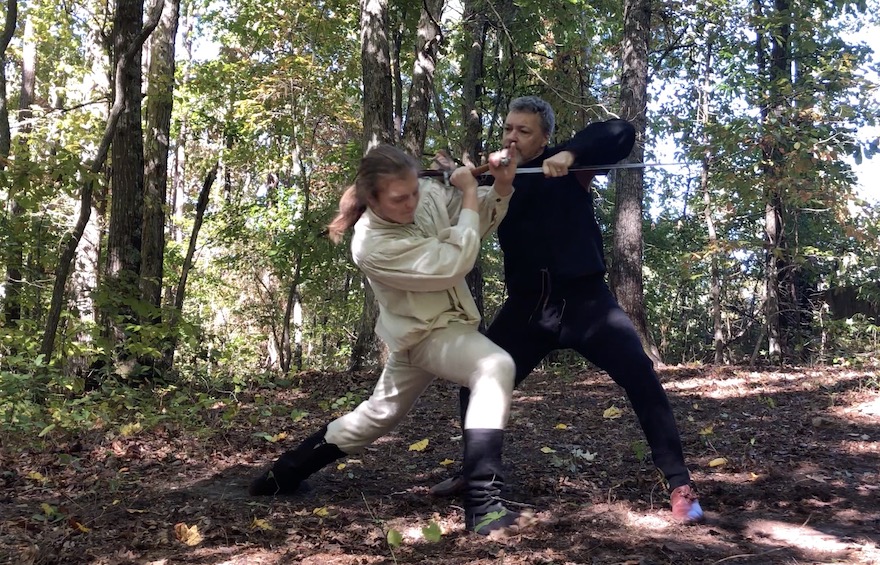 See
"The
Lesson"
- celebrated
original short
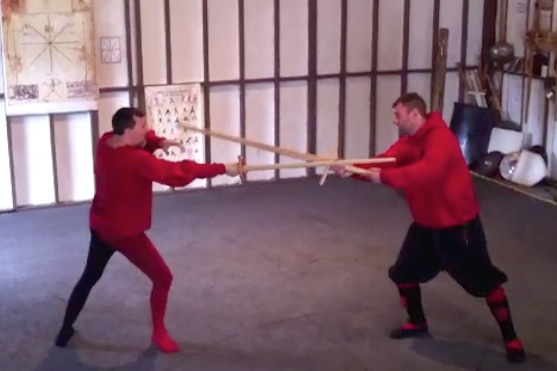
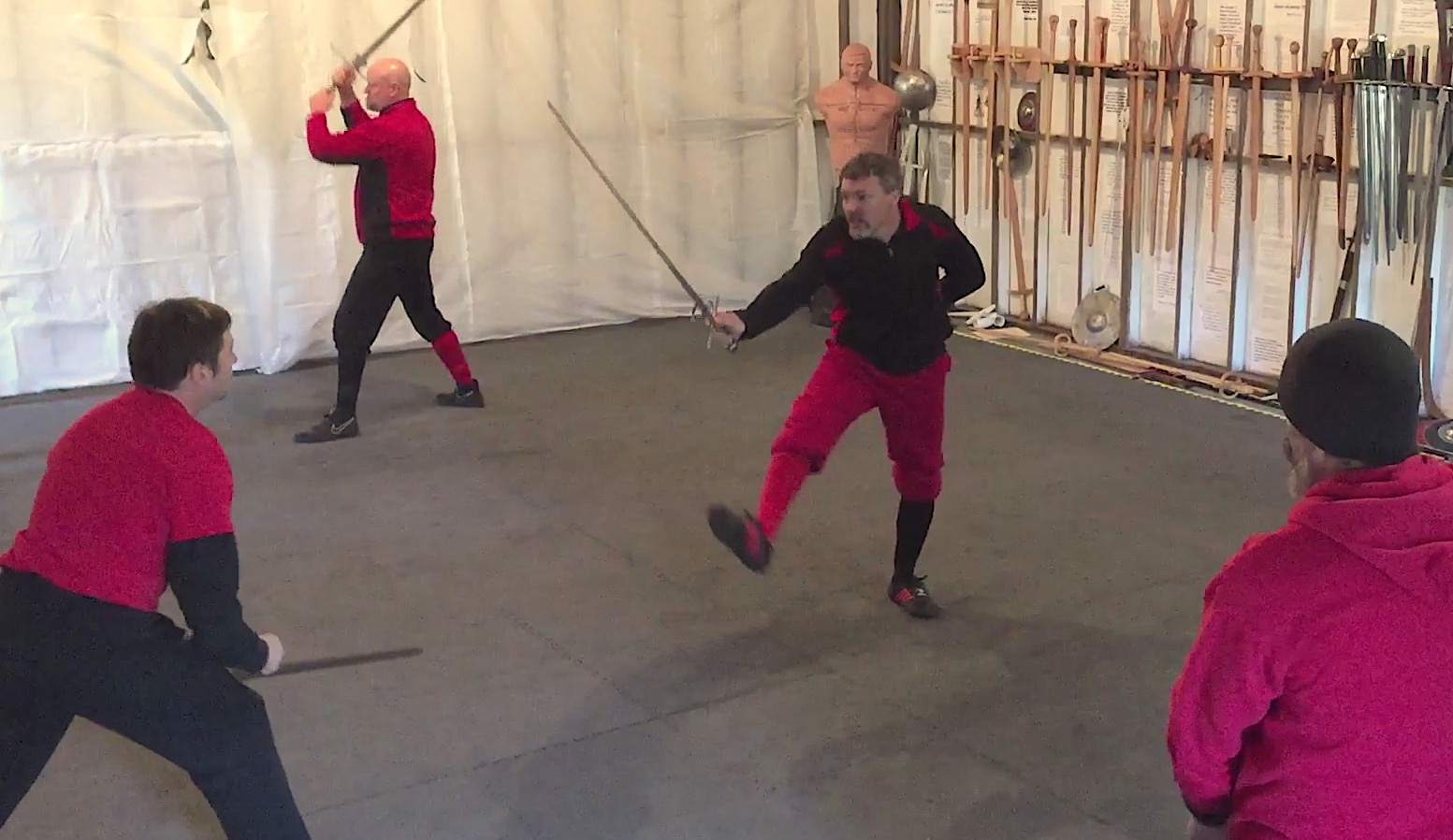 Dueling & self-defence study 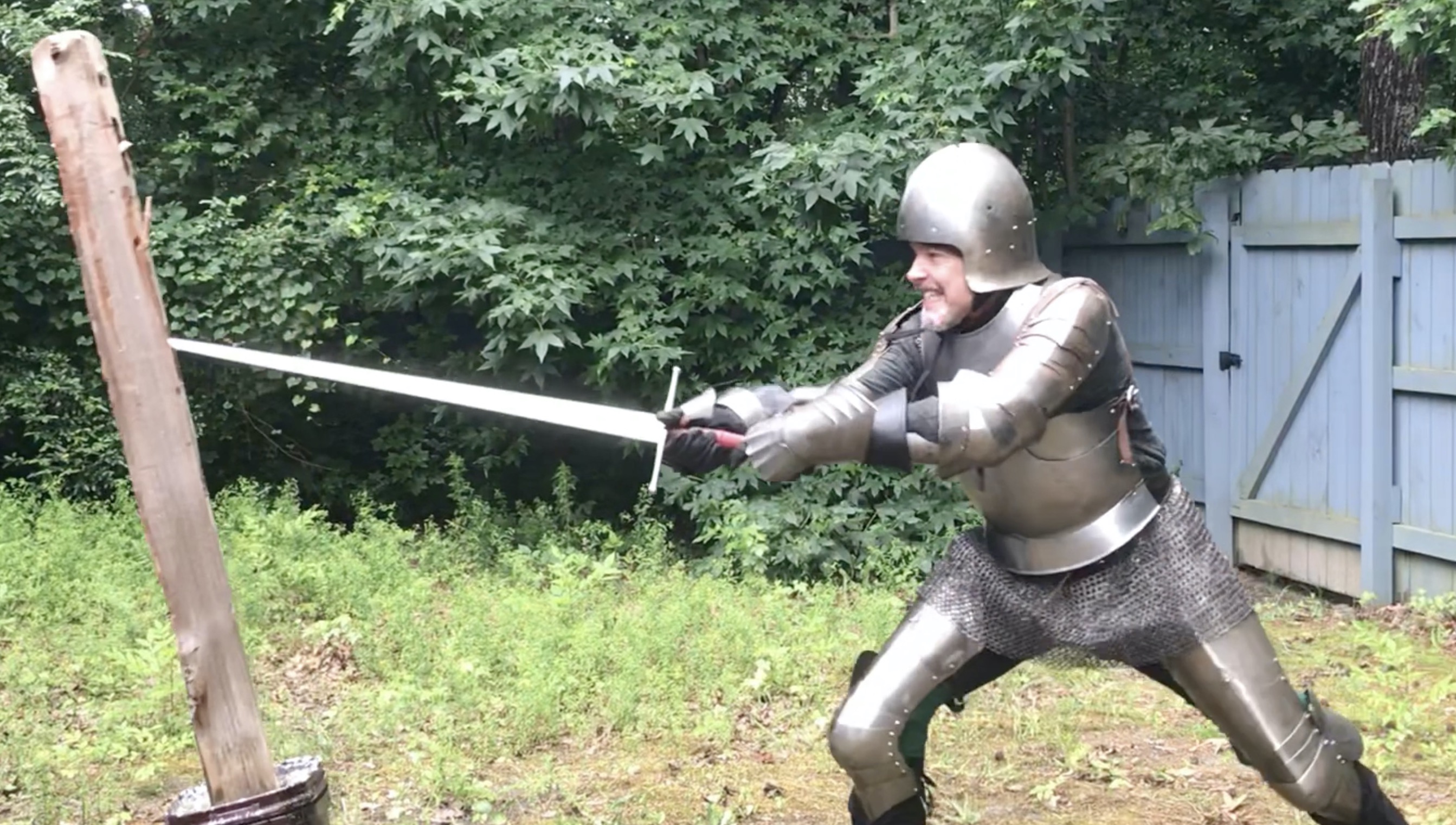 Armored combat exploration 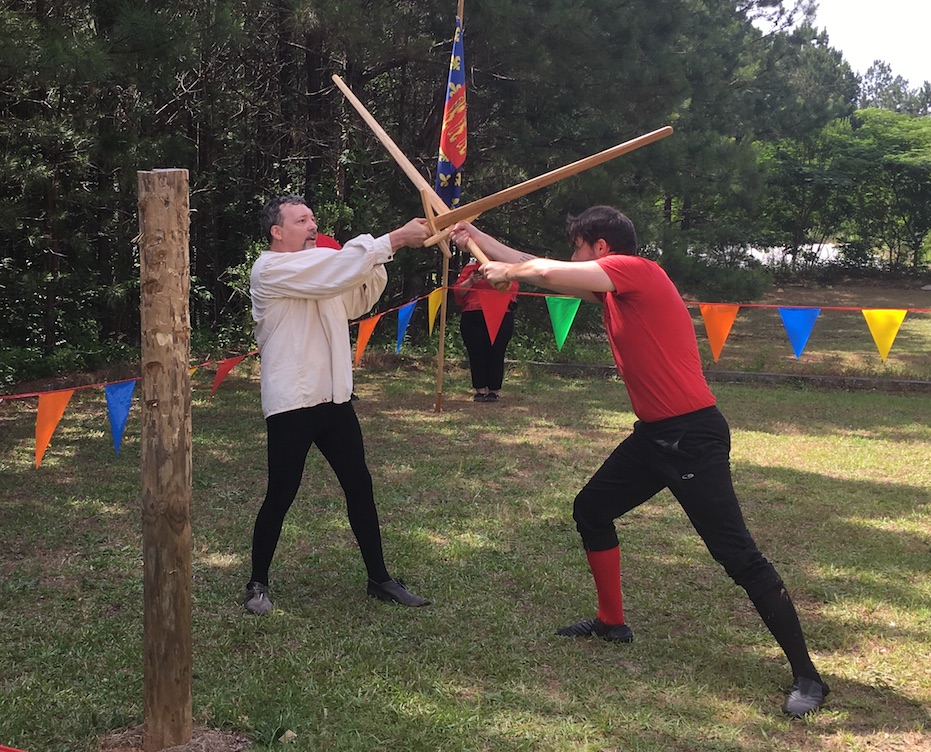 Expert-level teaching of authentic historical source methods 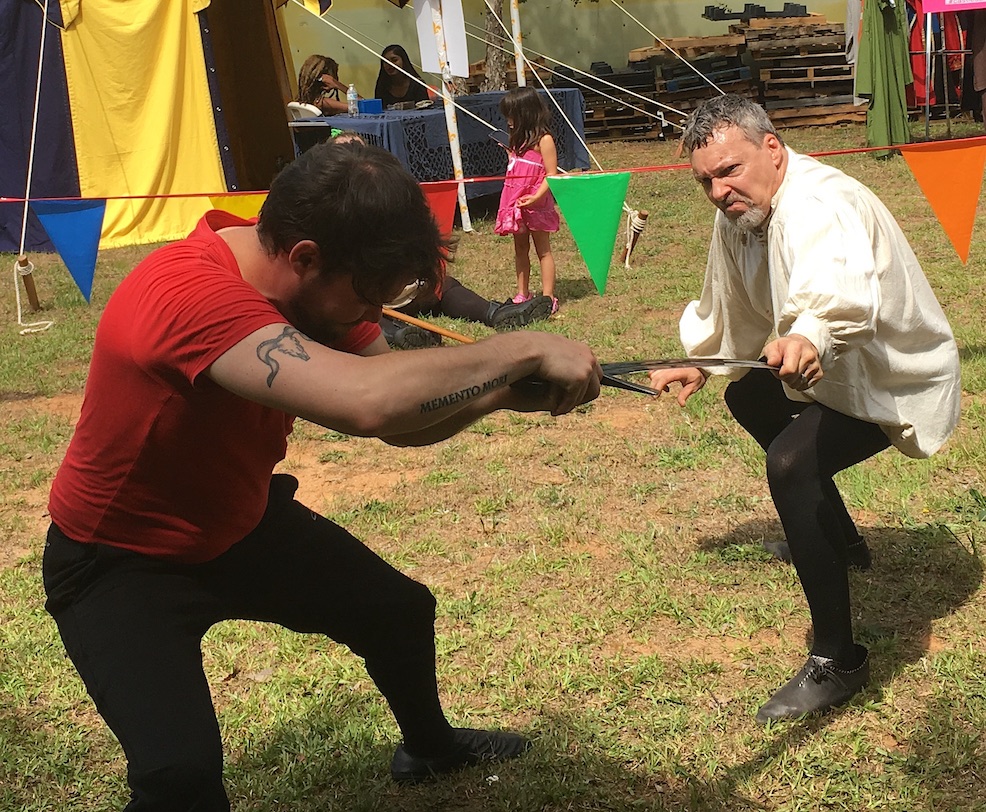  Relying on an unmatched historical curriculum 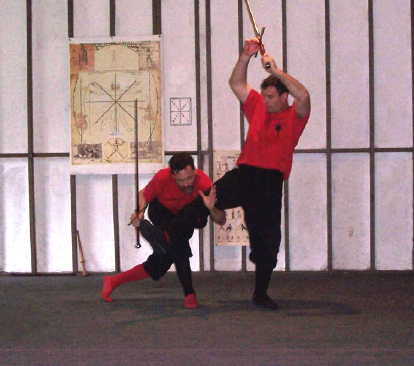 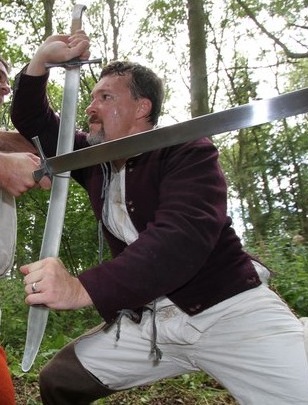 Arranging dynamic fight action sequences
|
“Every Art has this property of being clear to those trained in it, so that thence comes this maxim, ‘Believe the man who is skilled in his art.” - Anonymous Parisian theologian, 1398 As
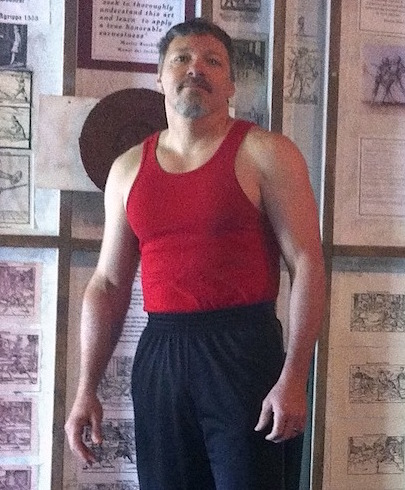
a martialist, John Clements is a leading authority on historical
fencing and the world’s foremost instructor of Medieval and Renaissance
fighting methods. As a long-time Western martial artist who has been
studying historical fencing since 1980, John is the most prolific
writer on the subject of historical fencing. He has practiced European
cut-and-thrust swordplay and for more than thirty years, taught on
it in 19 countries, and researched arms and armor on four continents.
For more than 20 years he instructed both nationwide as well as internationally
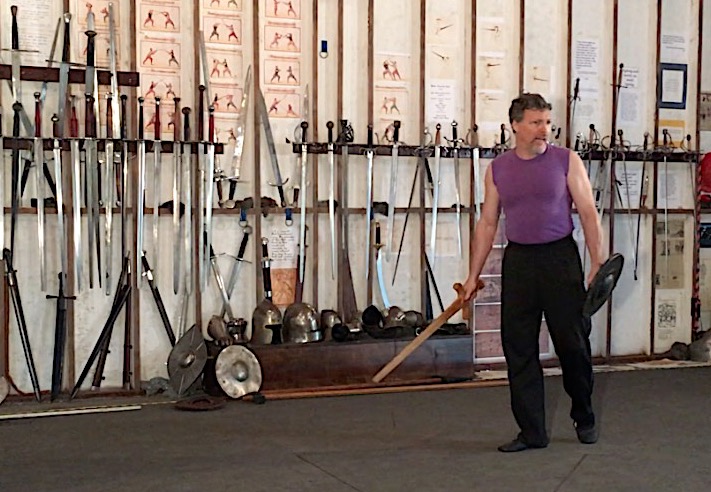
and (beginning in 2005) taught from his one-of-a-kind private facility,
Iron Door Studio,
based outside Atlanta, Georgia. After moving to North Georgia in 2022,
he now offers lessons by appointment and occasional public courses.
 An international
lecturer and researcher on historical European martial arts, John
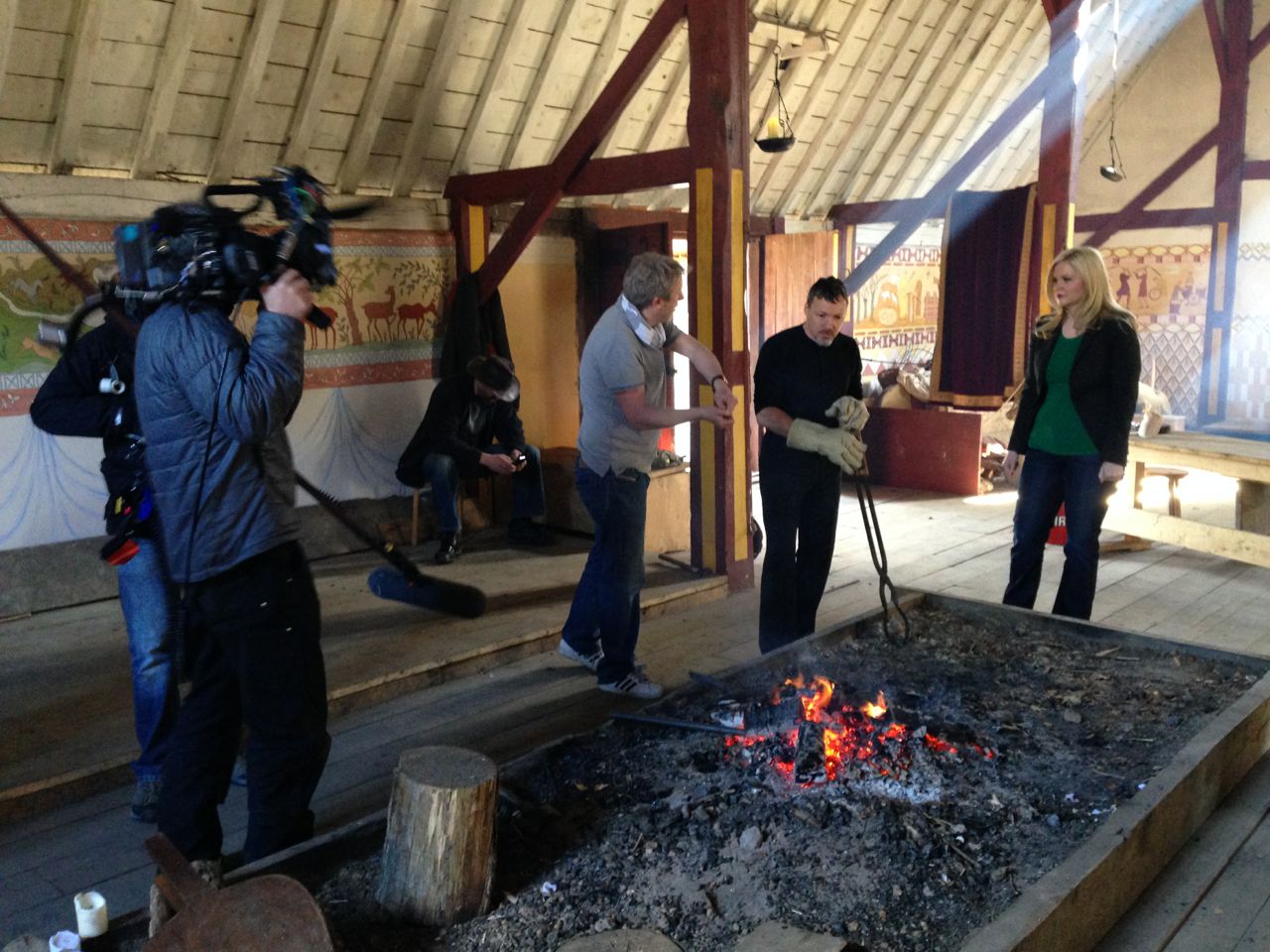
was featured in PBS Nova's Secrets
of the Viking Sword (2012) and performed and directed foot-combat
sequences for the 2011 National Geographic Channel documentary, Medieval
Fight Book --the first ever television program of its kind
to cover the work of a historical European Master of Defense. He
was also featured prominently in and co-wrote the 2009
documentary film, Reclaiming the
Blade. He also appeared in the documentary
special featurette,
"Knights in Training," on the 2008 special edition Blu-Ray re-release
of the film, First Knight.
He was also the writer and producer of the first
of its kind web
documentary on Renaissance martial arts.
As a professional fight consultant, John's writings on
swordsmanship and historical close-combat have
appeared in eleven different published
books since 2001. His research on interpretation and application of historical combat teachings was featured in Late Medieval and Early Modern Fight Books (Brill, 2016). He was a contributing
author on close combat and fighting arts to The Oxford Encyclopedia of
Medieval Warfare and Military Technology
(2010). John was a major consultant for
the youth title, Warrior VS Warrior (Kingfisher
2010), and was senior editor and contributor on, Masters of Medieval
and Renaissance Martial Arts (Paladin
Press, 2008). He has written on the
nature of historical bladed combat for the
anthology, Spirit
of the Sword (Krause Publications 2010). 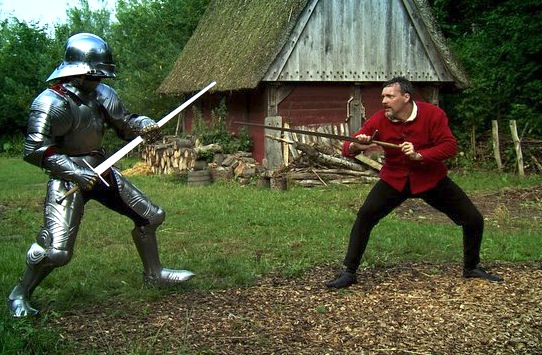 In his work on reviving forgotten European fighting arts, Clements teaches, lectures and writes on historical European martial arts professionally and has authored articles on swords and weapon fighting for magazines in seven languages, including: Medieval Warfare Magazine, Military History, Renaissance Magazine, Tactical Knives, Journal Of Martial Arts Anthropology, Karate International, Histoire' Medievale, Le art de la Guerre, Master at Arms, Game Developer, The Sword, Hop-Lite, Sword Forum International, Rapio Journal, Pallasch, and Dragon magazine. He was a contributor on arms and combat to the archaeological anthology, Cutting Edge (Tempus Pub. 2007), and the anthology, Hundred Years War: A Wider Focus (Brill, 2005), as well as a major contributor on historical fencing and editorial board member for the new Martial Arts of the World encyclopedia from ABC-CLIO Press (2001). In just the first decade of the 21st century, no fewer than nine current or former students of John's have gone on to author books on this subject. No other instructor of the subject can make anywhere near a similar claim.
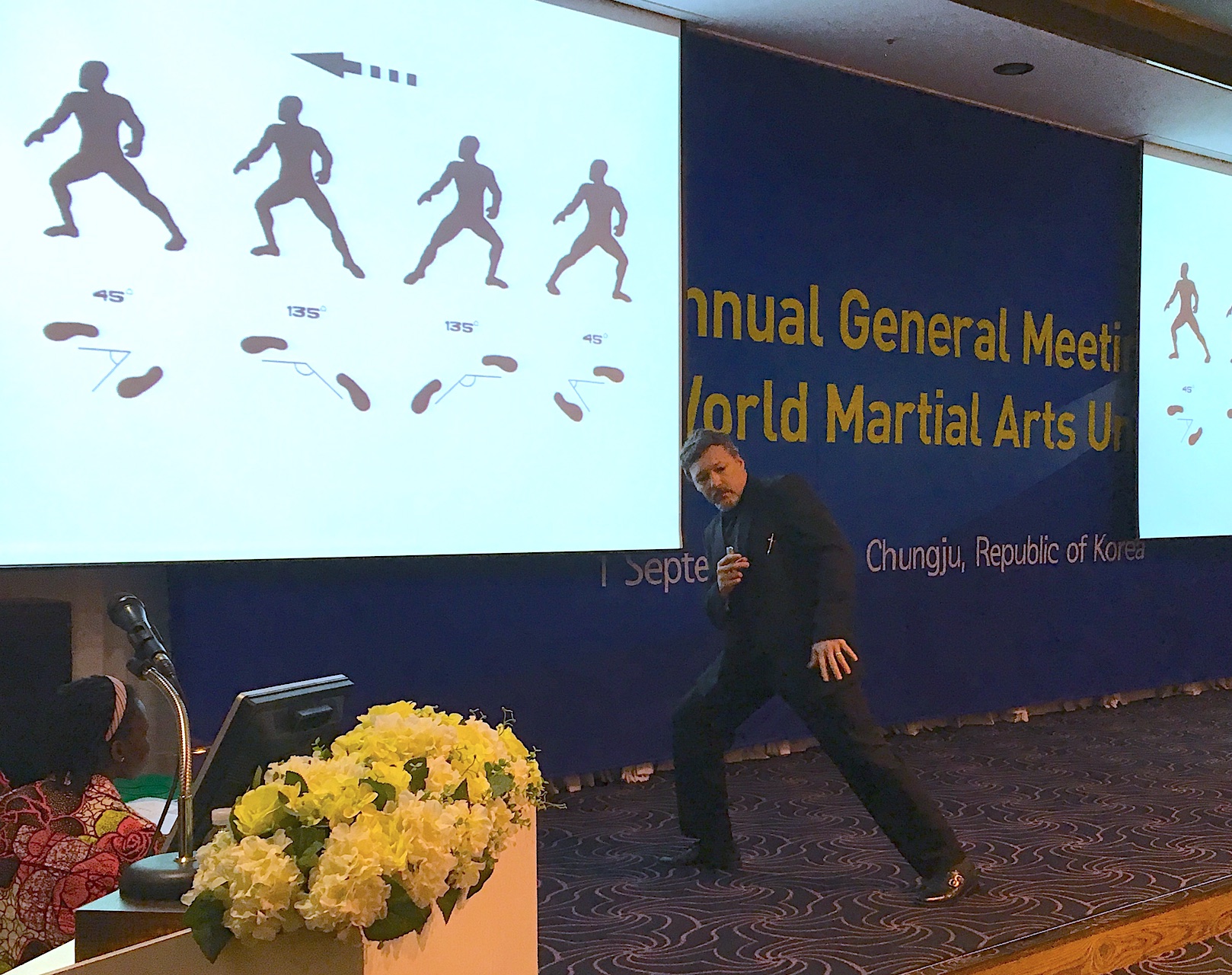
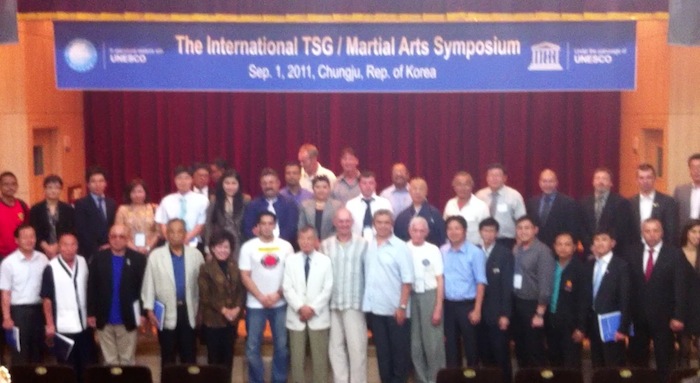
In
September 2010, John was inducted into the World Martial Arts Union
(WoMAU)
as the official representative for the martial arts of Renaissance
Europe. Under the official patronage of UNESCO,
the WoMAU is a Non-Governmental Organization for sustaining Intangible
Cultural Heritage. As a delegate to the Union, John advises
for the promotion of authentic Western European fighting arts from
the 14th to 17th centuries. 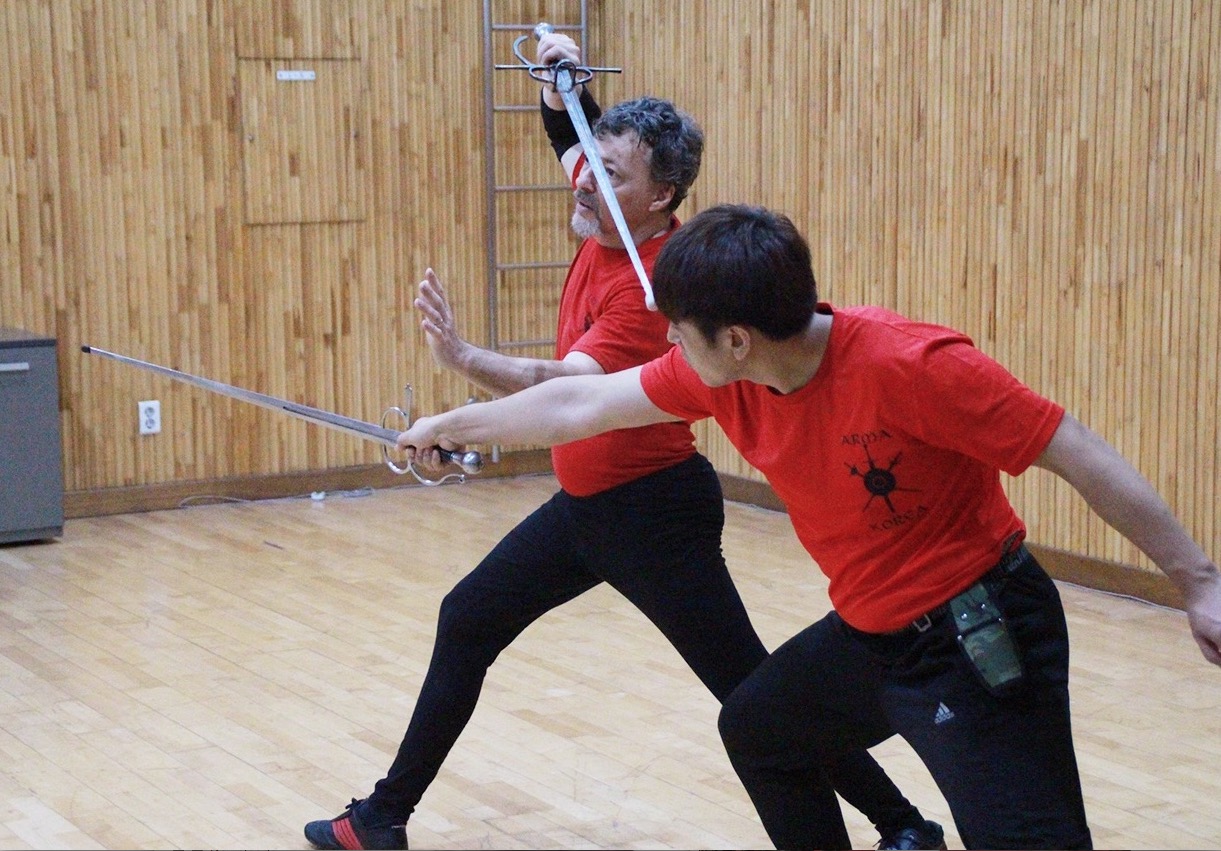 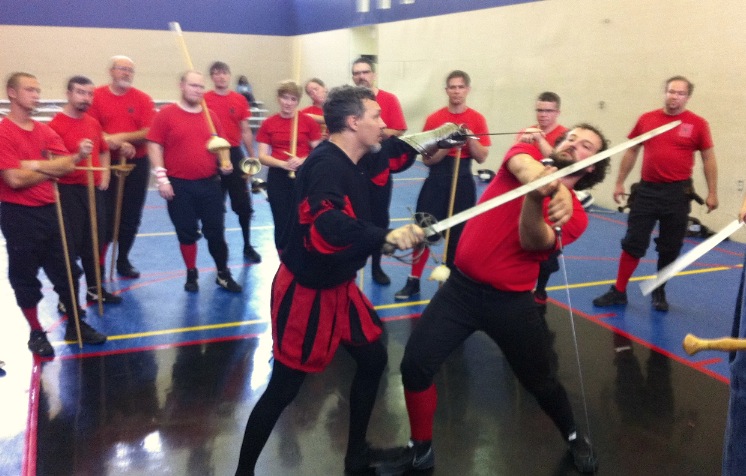 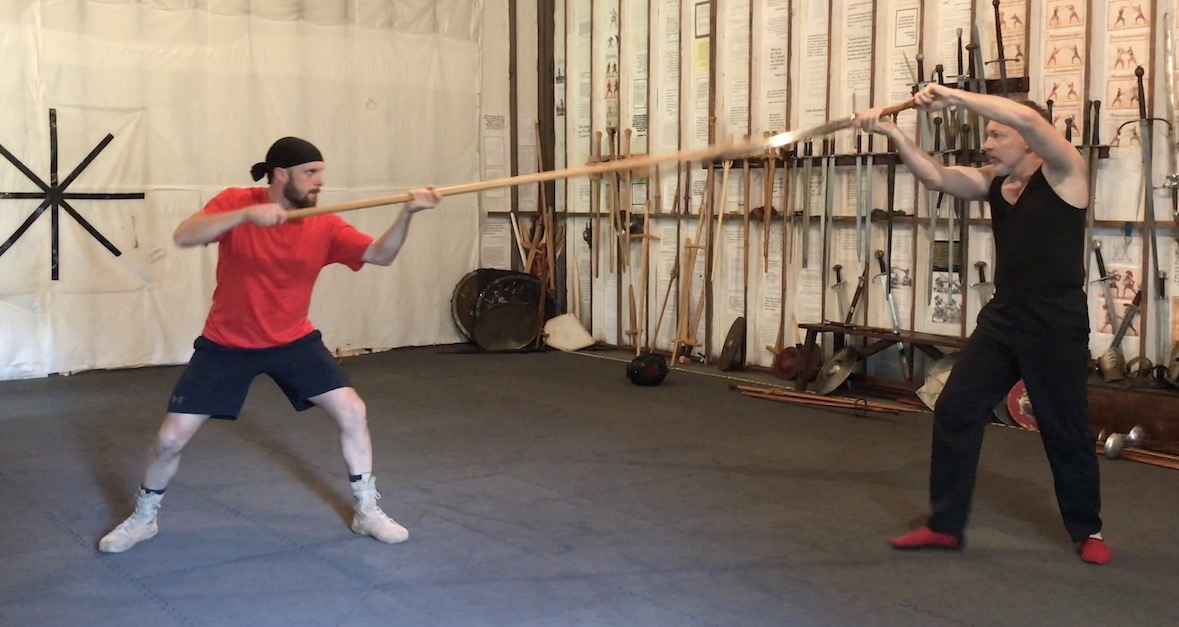 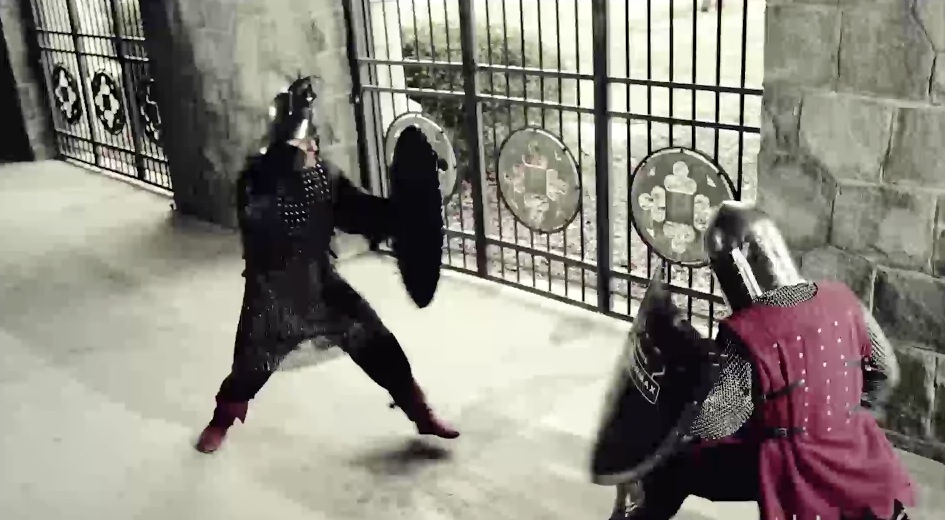 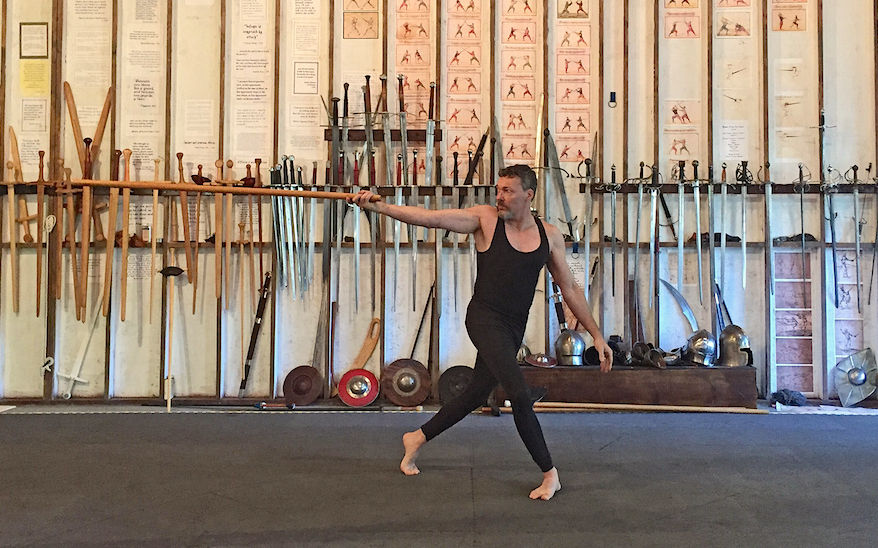
John is also the author of the groundbreaking
books Medieval
Swordsmanship: Illustrated Methods &
Techniques (Paladin Press, Nov ’98) and Renaissance
Swordsmanship: The Illustrated Use of Rapiers and
Cut-and-Thrust Swords (Paladin Press, March
'97). 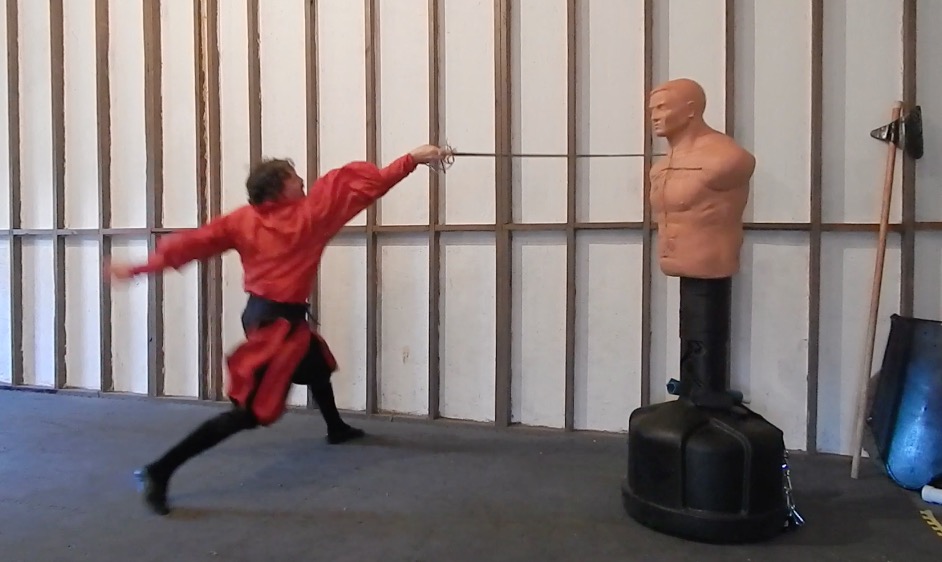 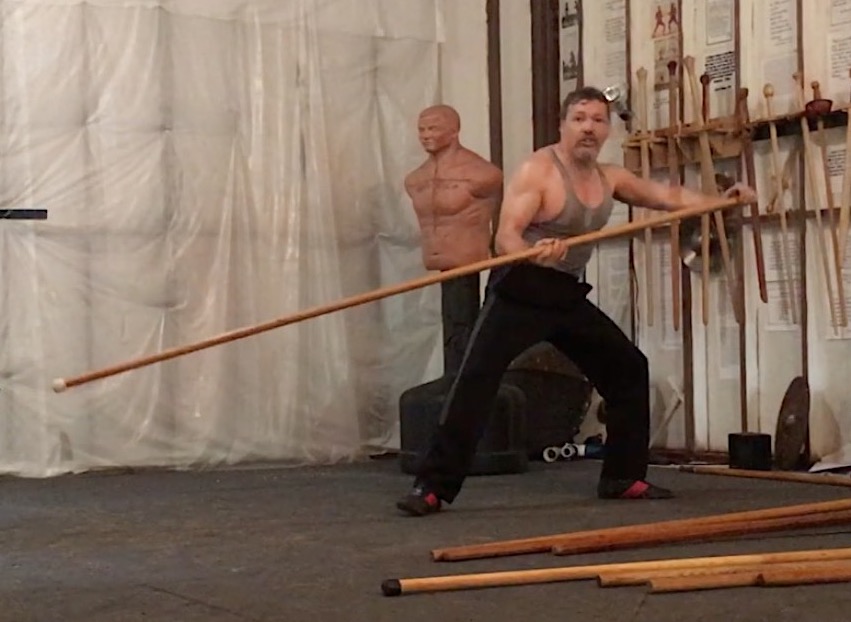 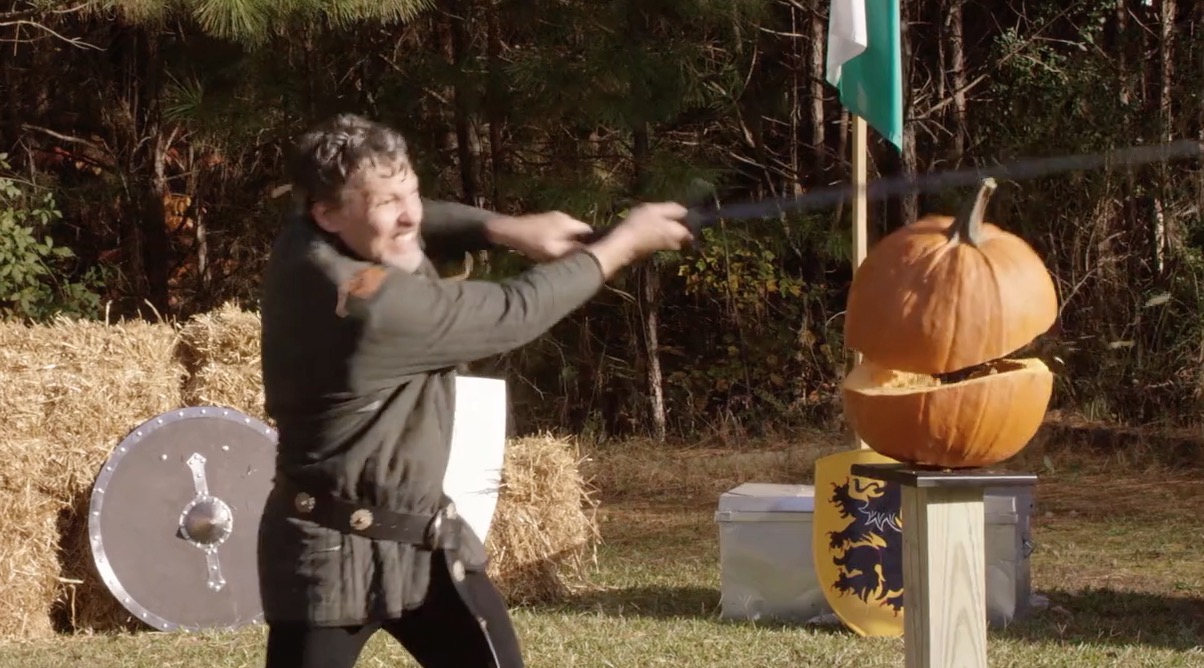 John trains primarily in longsword, sword-and-buckler, sword-and-dagger, spear, rapier, and is an ardent promoter of non-competitive weapon sparring and test-cutting experiments. In the past 16 years, he has had the opportunity to practice with actual historical swords, handling more than 300 antique European blades from the 12th to 17th centuries in private and public collections across 15 countries. John is a member of the British Arms and Armor Society and helped pioneer the realistic use of both historical wooden training swords (wasters) and steel training swords (federschwerter). In September 1994, John took first place in the Advance Weapon-Sparring competition of the US National's Kung Fu tournament, in Orlando, Florida. He is a member of the Georgia Association of Historians and was a feature presenter on Renaissance swords at the 2006 Blade Show in Atlanta.
As a promoter of the
restoration of historical fencing as valuable part
of our intangible cultural heritage, Clements has
long advocated a true fighting discipline
approach toward the study of forgotten European
fight literature. 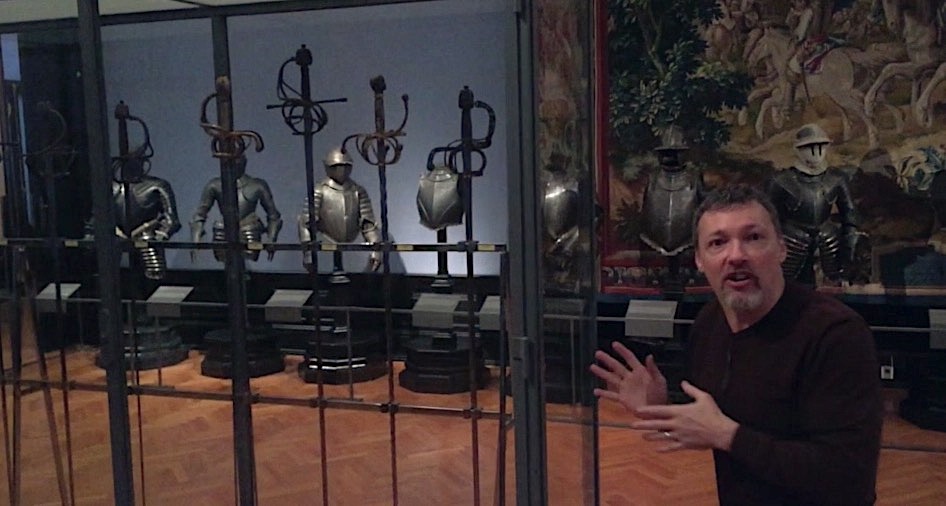 As a full-time professional writer and practitioner of historical fencing, Clements has committed his life to a career in advancing and promoting the study of Medieval and Renaissance combatives. He presently teaches and researches on historical fencing full-time while working on book, video, and consulting projects about the subject.
To quote ARMA instructor, John Clements: "As a historical fencer and Renaissance martial artist, I can think of nothing more satisfying than to simply declare, '...Yes, I am a swordsman.'" 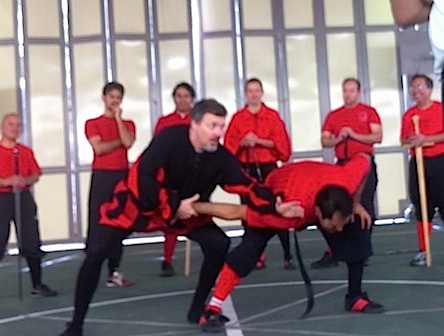 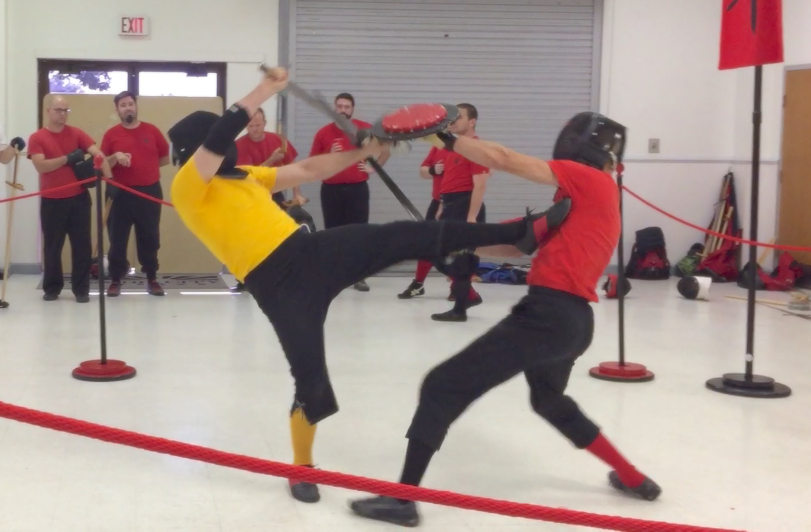
Read some of John Clements' articles here: Our New "Rosetta Stone" - Advancing Reconstruction of Forgotten European Fighting Arts Why Are There So Many Kinds of Swords? Top Myths of Renaissance Martial Arts What did Historical Swords Weigh? Historical
Fencing Study - The British Legacy
Pinder's Contest - 16th
century rural English Prizing Peachey
the Shoomaker's
Challenge The
Myth of Cutting vs. Thrusting Swords Wasters -
The history of wooden swords Renaissance Martial Arts
Literature Using the “F" Word – The Role of Fitness in Historical Fencing Questions and Answers About the Rapier The Weighty Issue of Two-Handed Great-swords
"The Lesson" - original short film
"I have known John
Clements - in his various roles as practitioner, researcher,
and teacher in the field of late medieval and Renaissance martial
arts - for over fifteen years; and I have enjoyed
watching his increasing mastery in all these three aspects of his
work. ...Clements has himself - by dint of hard
practical experimentation and diligent study - moved the
subject forward to considerably greater
sophistication. He has a considerable knowledge of
historical sources and especially of the mass of pictorial
evidence which he has helped make available to scholars and
practitioners through his ARMA project and website and his many
essays - which have been powerful agents for increasing
scholarly awareness of Western martial arts as well as for
encouraging students to participate in such activities with a fuller
appreciation of their historical background and a better understanding
of their practice. ...his work (like that of all successful
teachers and pioneers) is going to bear fruit in the future as well as
in the present. ...I would characterize John Clements’s
contribution to his subject as an impressive combination of enthusiasm,
energy, and a willingness never to stop learning and developing. "There are attributes and principles common to
the martial arts all around the world, core
concepts that reflect the innermost essence of
our being...
"John Clements a leading
authority on Medieval and Renaissance Combat.
He has shaken the dust off of the real
history of our European Combat Heritage and has
brought it back to life accurately and honestly,
in all its brutal and elegant forms.
Seeing John in action is a testament to
the effectiveness of the actual fighting skills
that these knights and nobles perfected and used
in real life and death combat." “John
Clements is a very knowledgeable and insightful
martial artist. His research and methods,
particularly in the interface between fighting
with weapons and grappling, have been very
helpful to the development of our program." “I have found
John Clements' workshops on Medieval and
Renaissance martial arts in "I thoroughly
enjoyed and learned much from the ARMA seminar that
I participated in. I found John Clements to be very
knowledgeable and skilled in the use of realistic
weaponry of medieval and renaissance “The
ARMA training curriculum is just about as solid
as you can get. It's progress from simple drills
to full speed applications is the best I have
seen. This is reality training at it's best.
John projects an intensity in his instruction
that is hard to not get caught up in. His energy
and zeal are remarkable." "I have found
John Clements to be expert lecturer on subject of
Western Martial Arts. John possesses understanding
of both framework of martial arts in general, as
well as minute details - and that combined with
his passion makes for very enjoyable
seminars."
-
Keith Ducklin “John Clements is
a superb martial artist and exemplifies this in
his use of the longsword…anyone who wants to
explore Western martial skills should take any
possible opportunity to train with John Clements." "John Clements is a
pioneer, Western martial artist, eclectic
reconstructionist, and accomplished author. His
unswerving dedication to uncovering the Western
martial arts is unparalleled. This renaissance
has given practitioners connection with their
heritage."
“John Clements and
his associates at ARMA put on a wonderful
demonstration for a focused audience at the
Philadelphia Museum of Art. His researched
lecture included fascinating illustrations of art
and history that helped illuminate the Museum’s
collection and our commitment to the artistry of
martial objects. Of course the highlight of
the workshop was the fighting demonstration that
allowed the audience to experience first-hand a
different—and equally important—artistry.
Many audience members expressed their enjoyment in
seeing weapons in action and the techniques and
strategies of Renaissance martial combat. All
in all, John Clements presentation was excellent; it
gave new life to the objects on view in our
galleries.”
|
|
|
|||
|
|
|||
|
|||
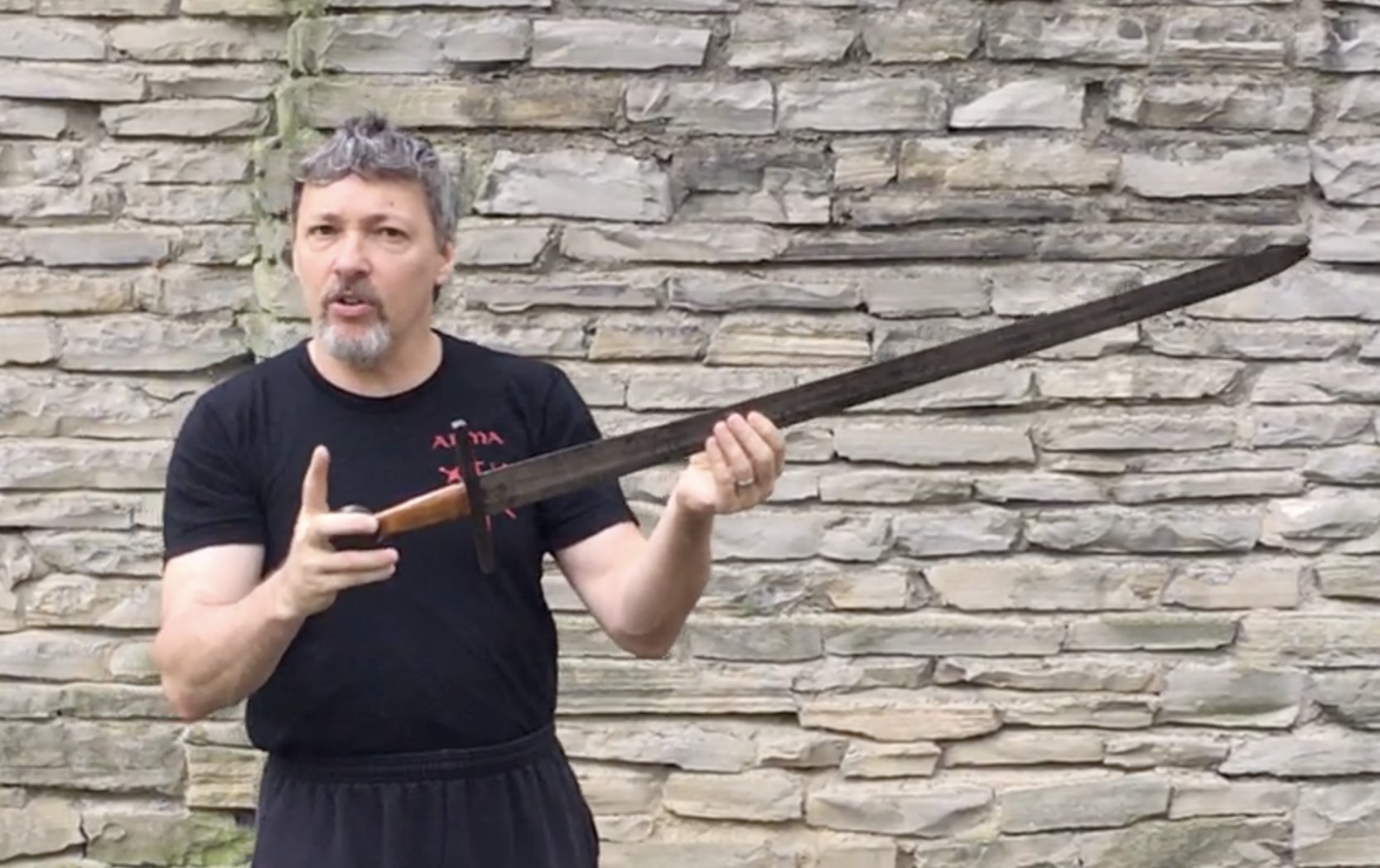
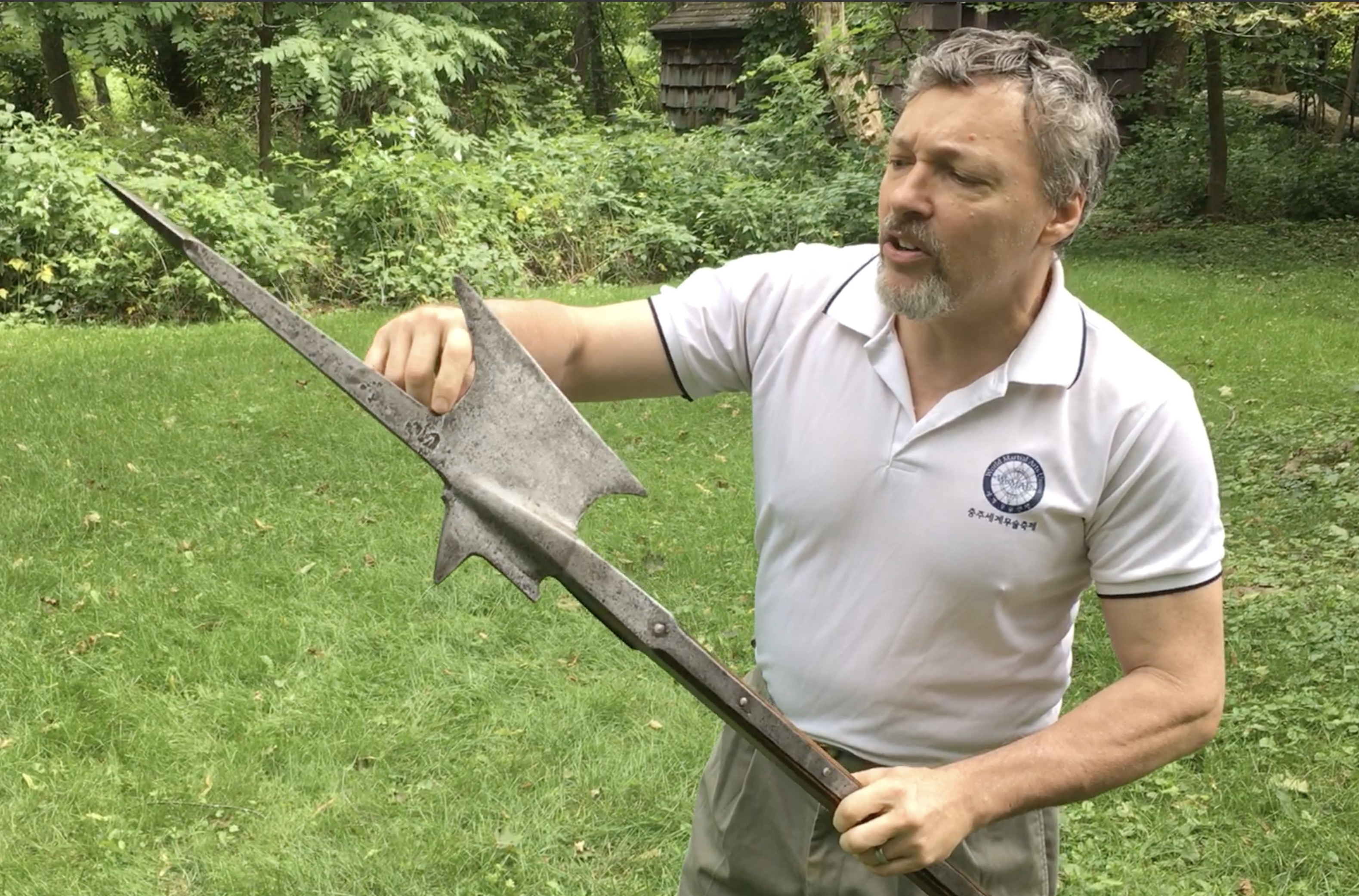
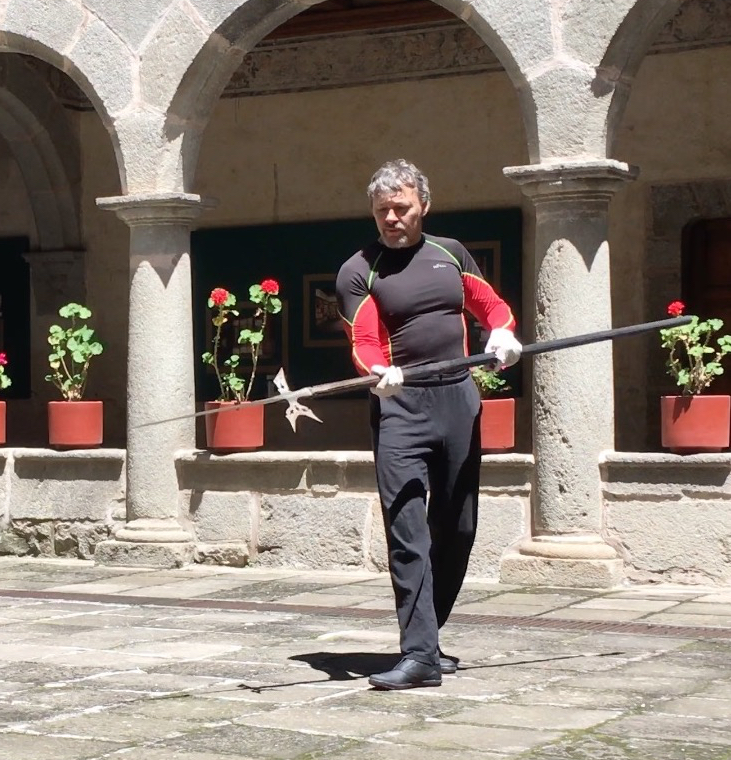
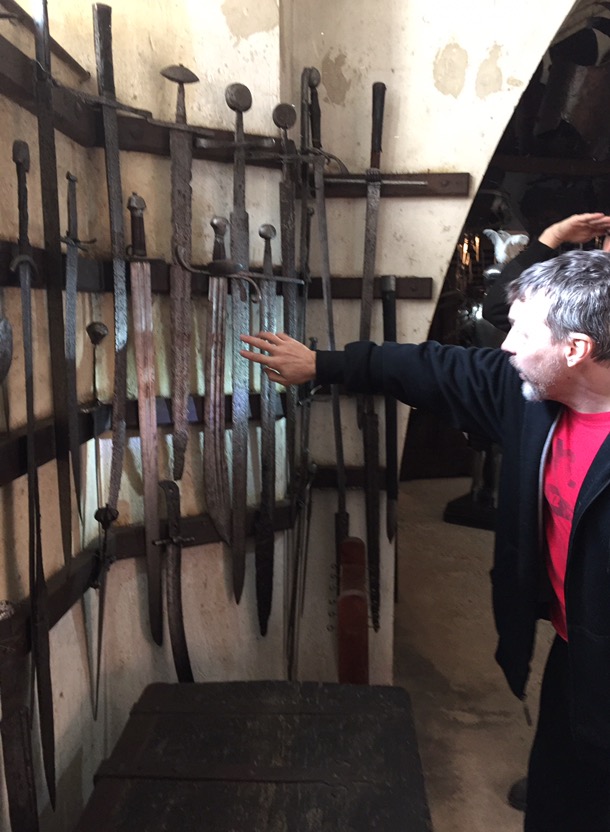
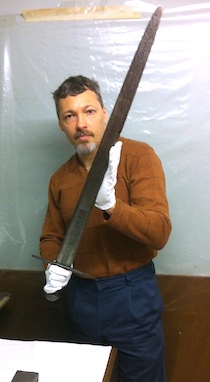
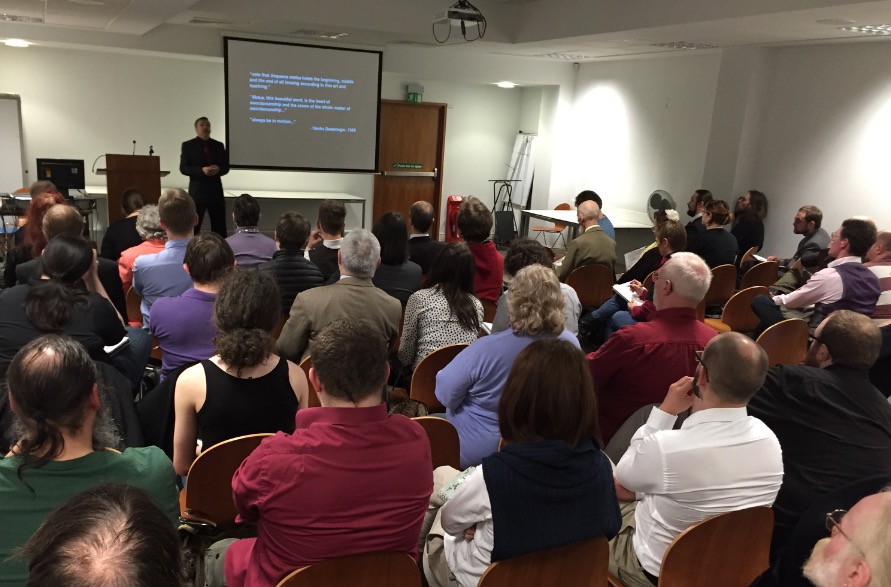
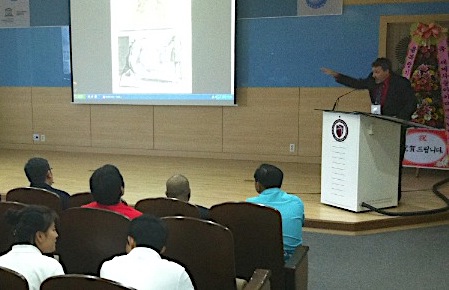
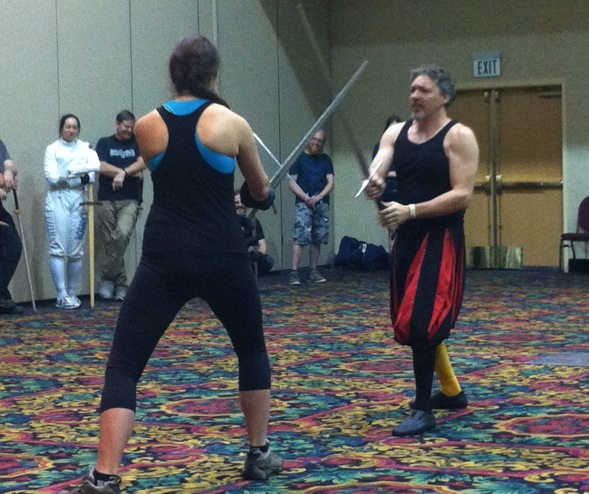
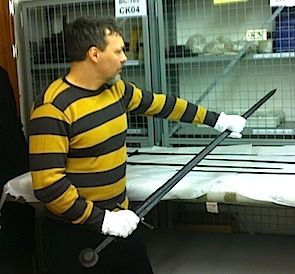
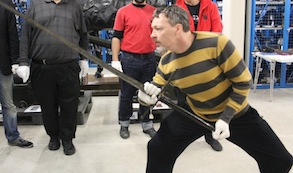
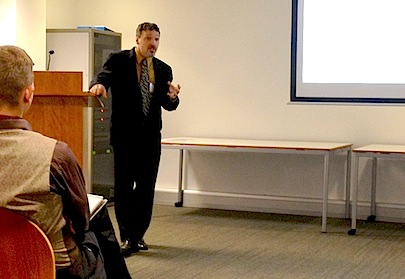
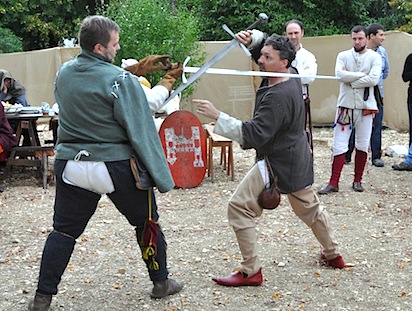
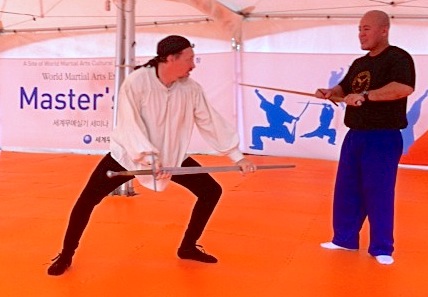
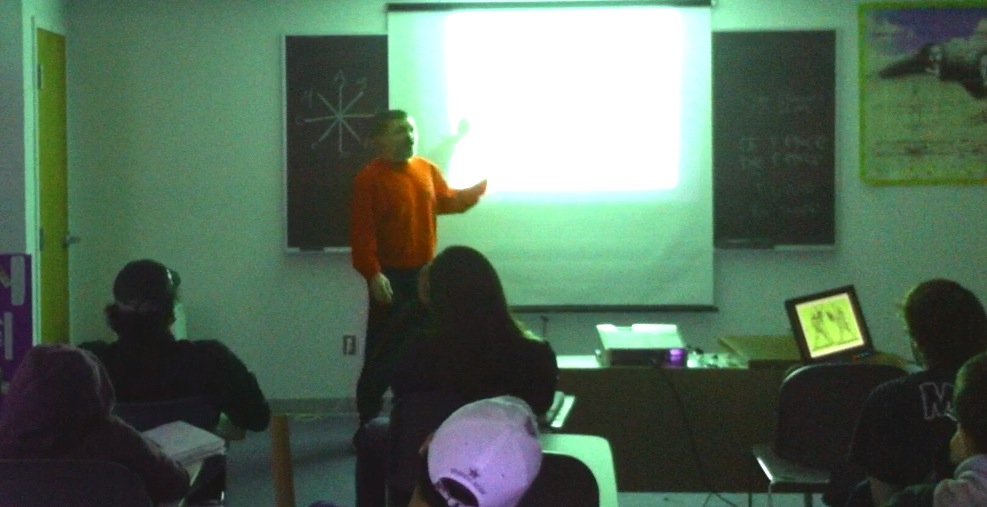
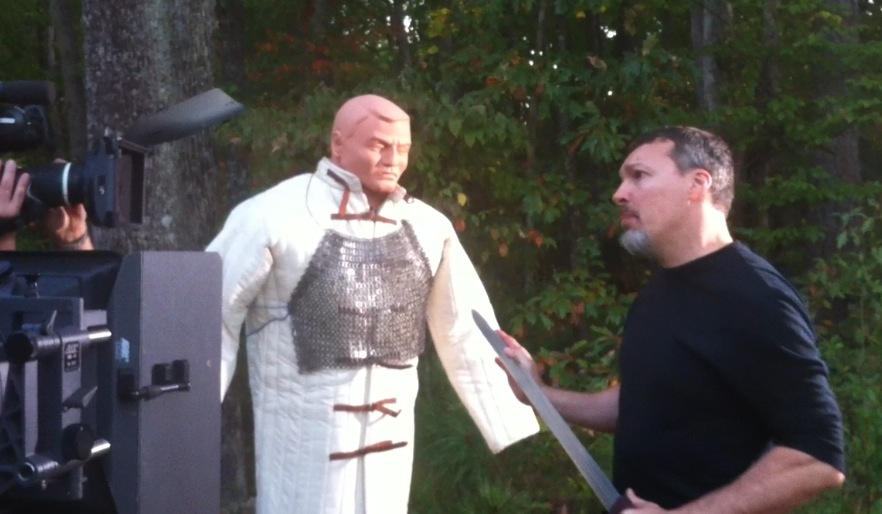
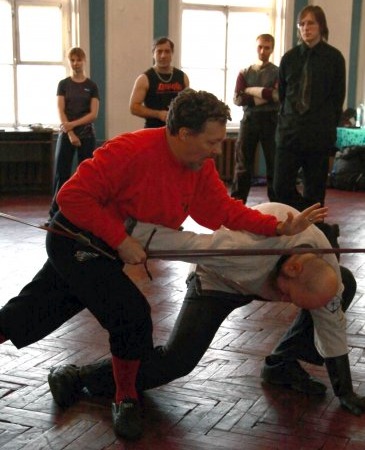
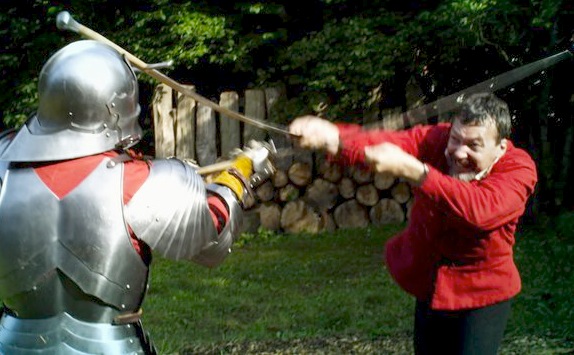
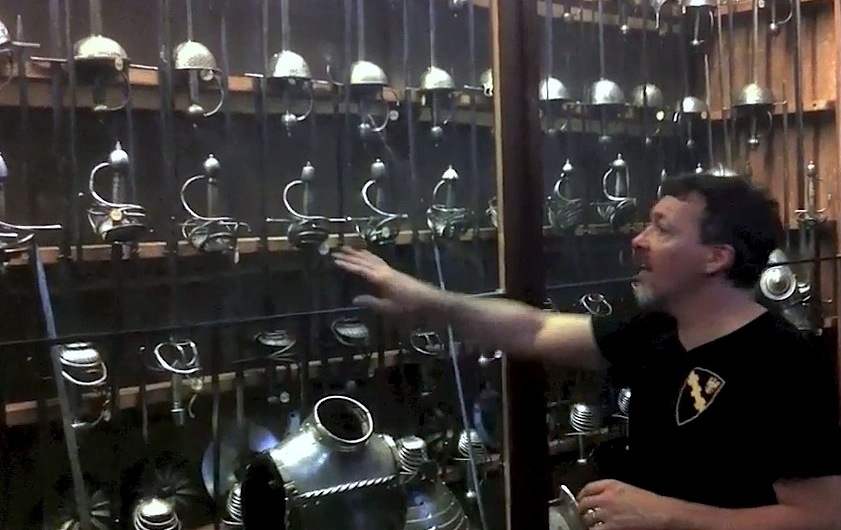
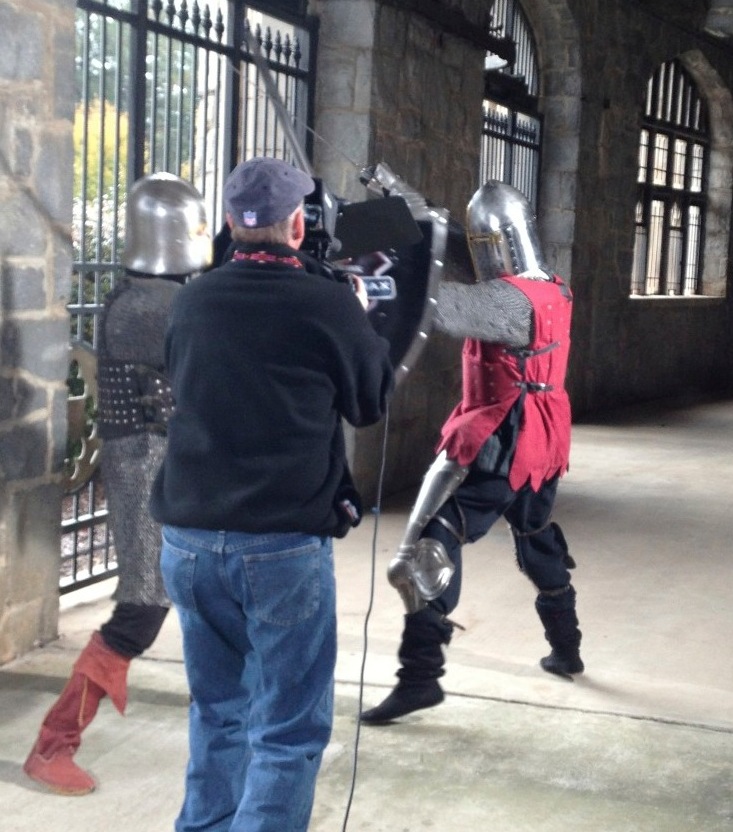
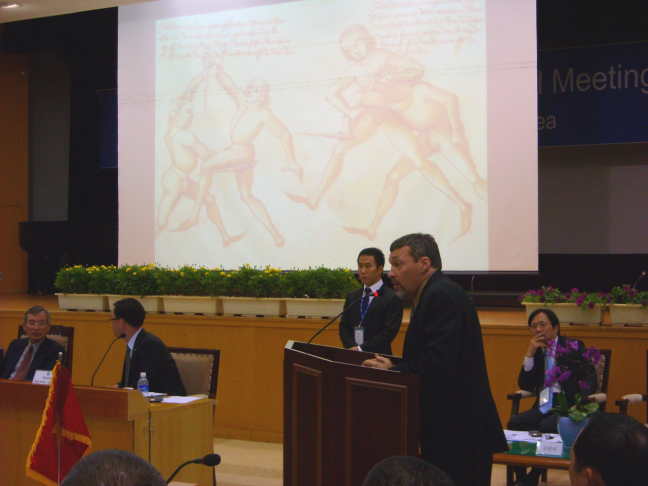
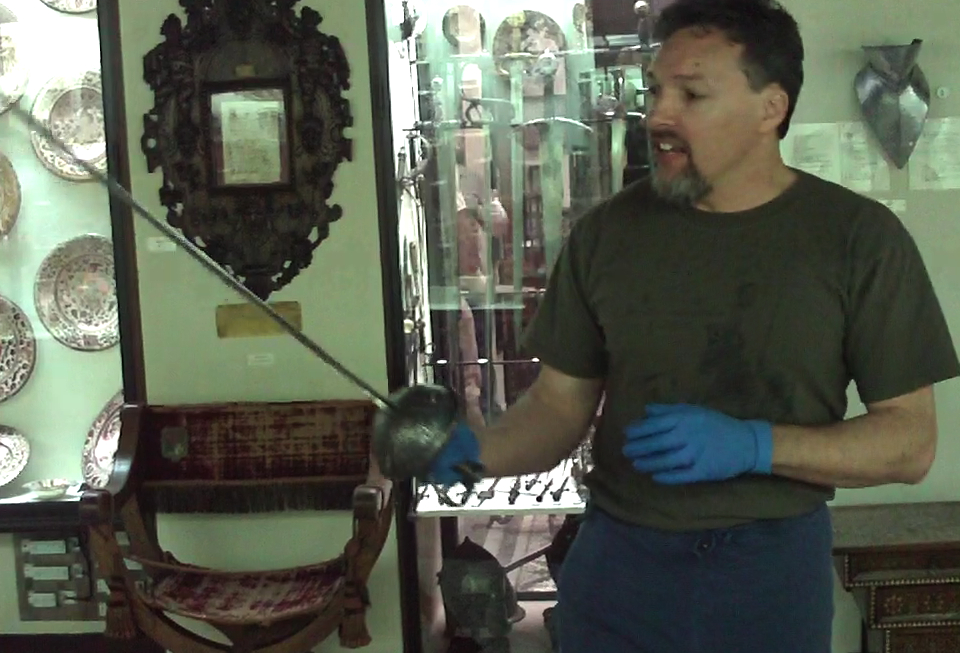
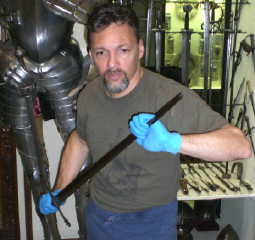
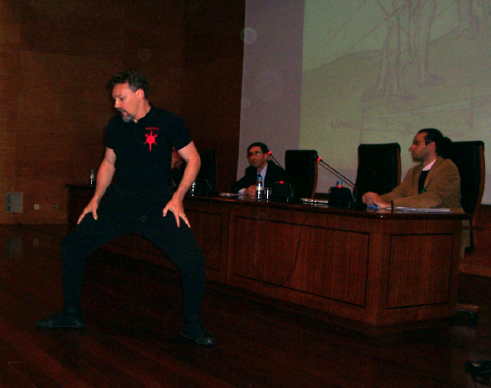
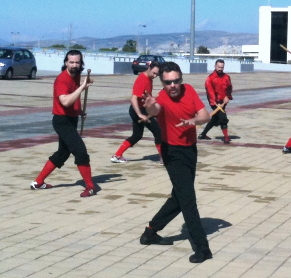
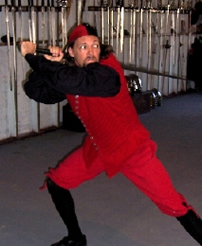
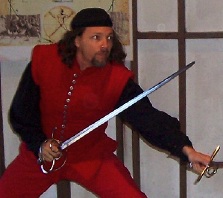

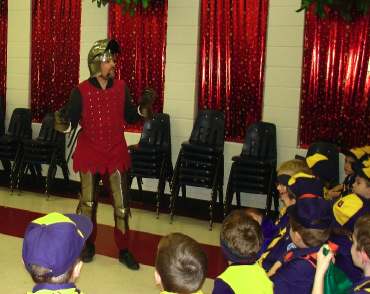
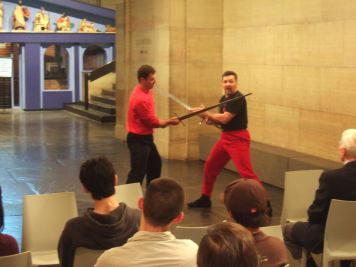
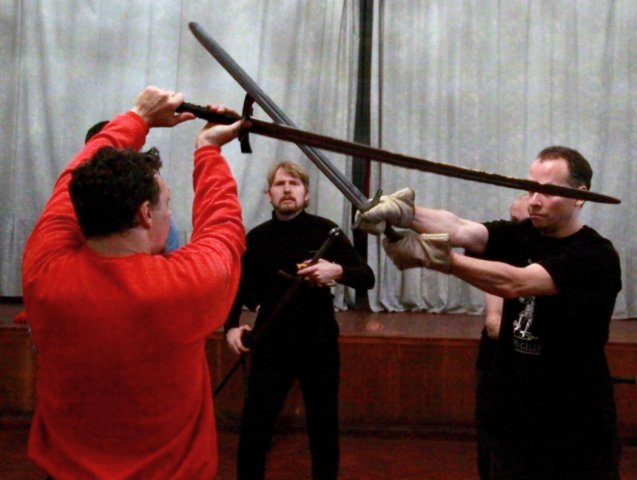
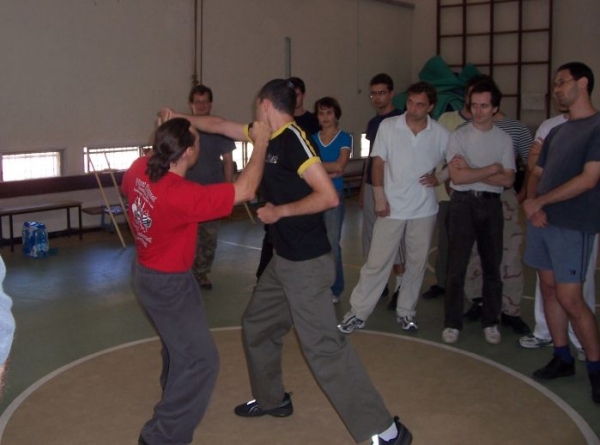
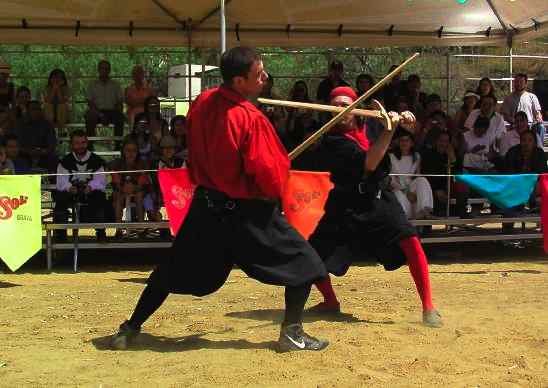
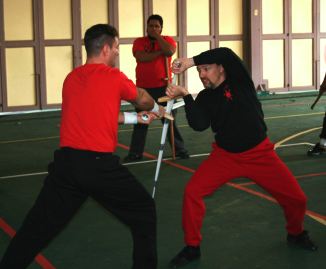
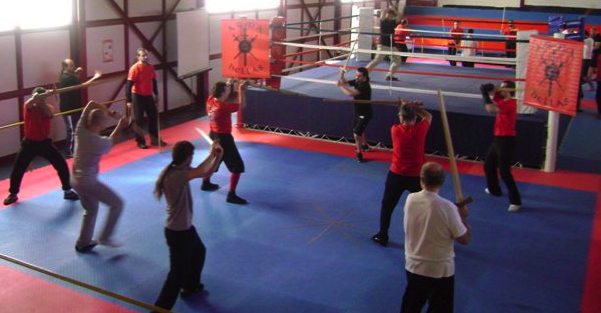
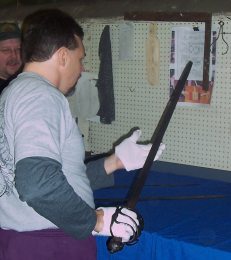
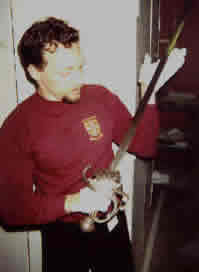
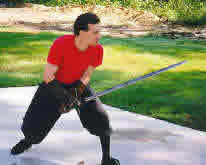
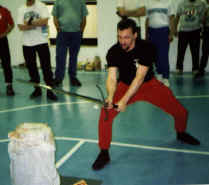
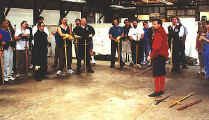
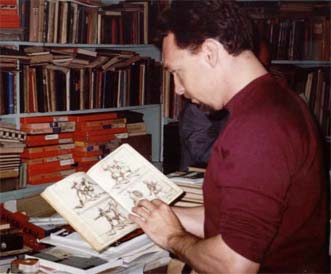
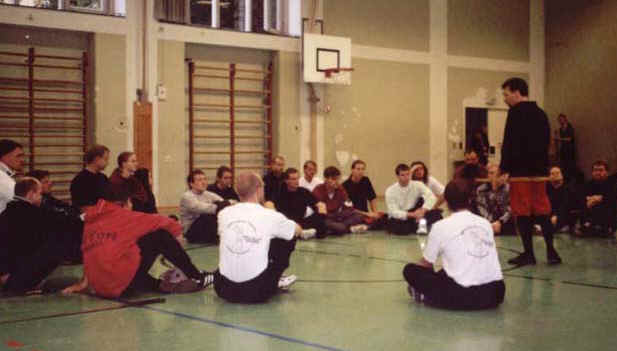
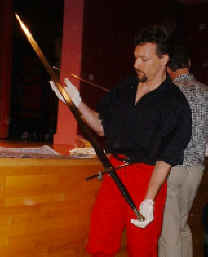
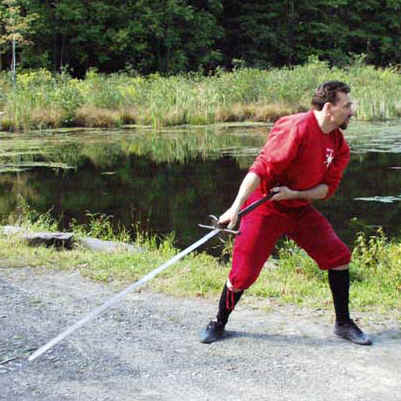
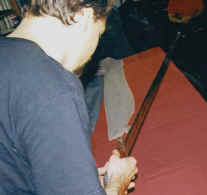
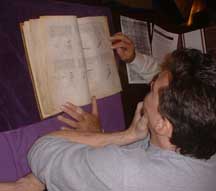
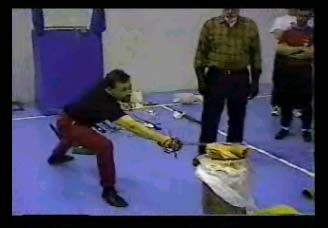
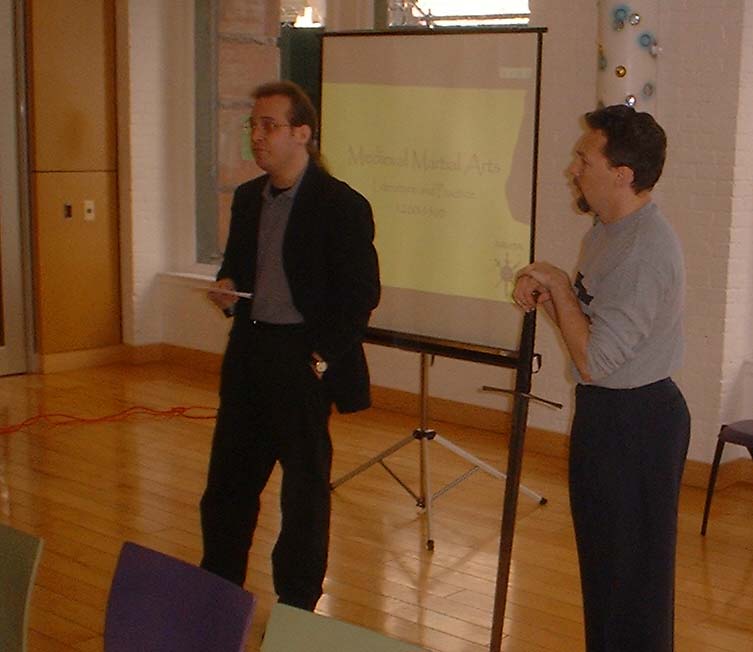
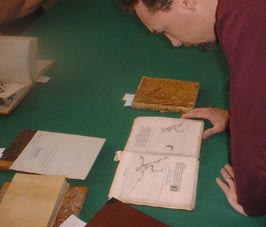
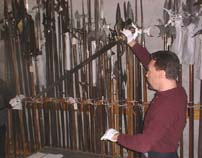
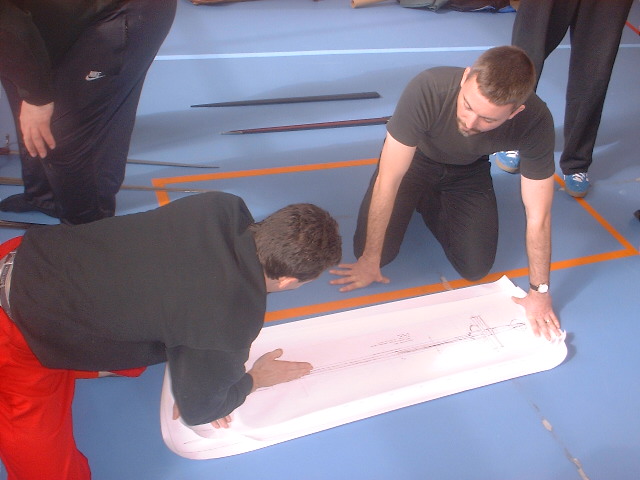
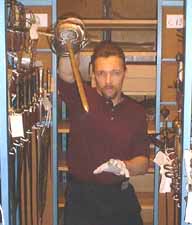
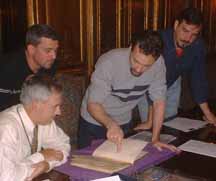
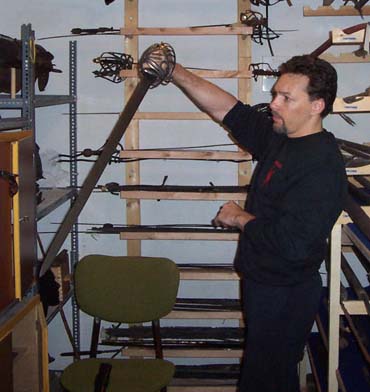
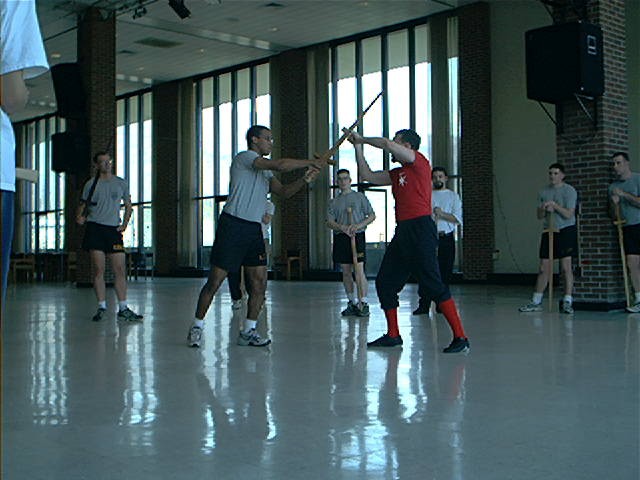
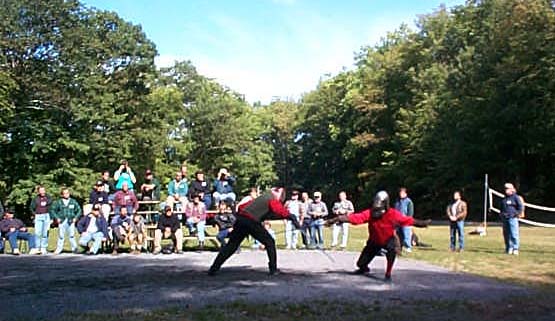
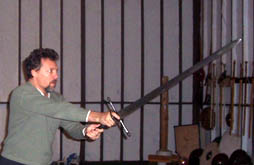
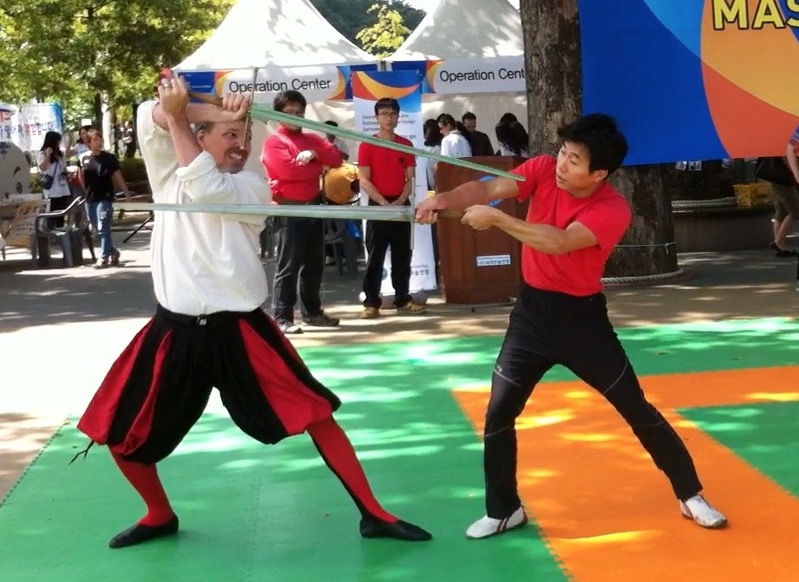
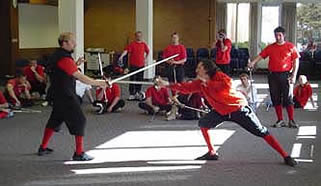
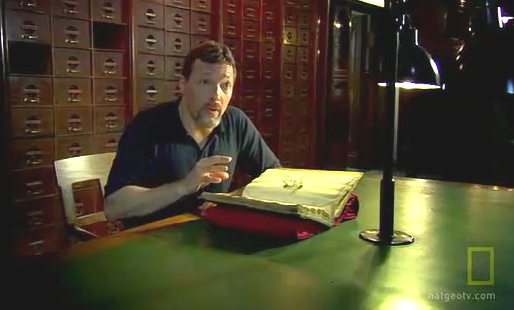 As a fight instructor and
experimental historian, John Clements has given
fencing seminars and workshops in 25 states and
across North America and Europe. He presented
demonstrations of Medieval and Renaissance martial
arts at the Royal Armouries in Leeds and the Wallace
Collection Museum in London, the Philadelphia Museum
of Art, as well as exhibited at Oxford University,
the Danish Medieval Center, and the National Arms
Museum in Budapest, Hungary. In December 2011,
he presented the first ARMA seminar in St.
Petersburg, Russia. John has also lectured on
As a fight instructor and
experimental historian, John Clements has given
fencing seminars and workshops in 25 states and
across North America and Europe. He presented
demonstrations of Medieval and Renaissance martial
arts at the Royal Armouries in Leeds and the Wallace
Collection Museum in London, the Philadelphia Museum
of Art, as well as exhibited at Oxford University,
the Danish Medieval Center, and the National Arms
Museum in Budapest, Hungary. In December 2011,
he presented the first ARMA seminar in St.
Petersburg, Russia. John has also lectured on 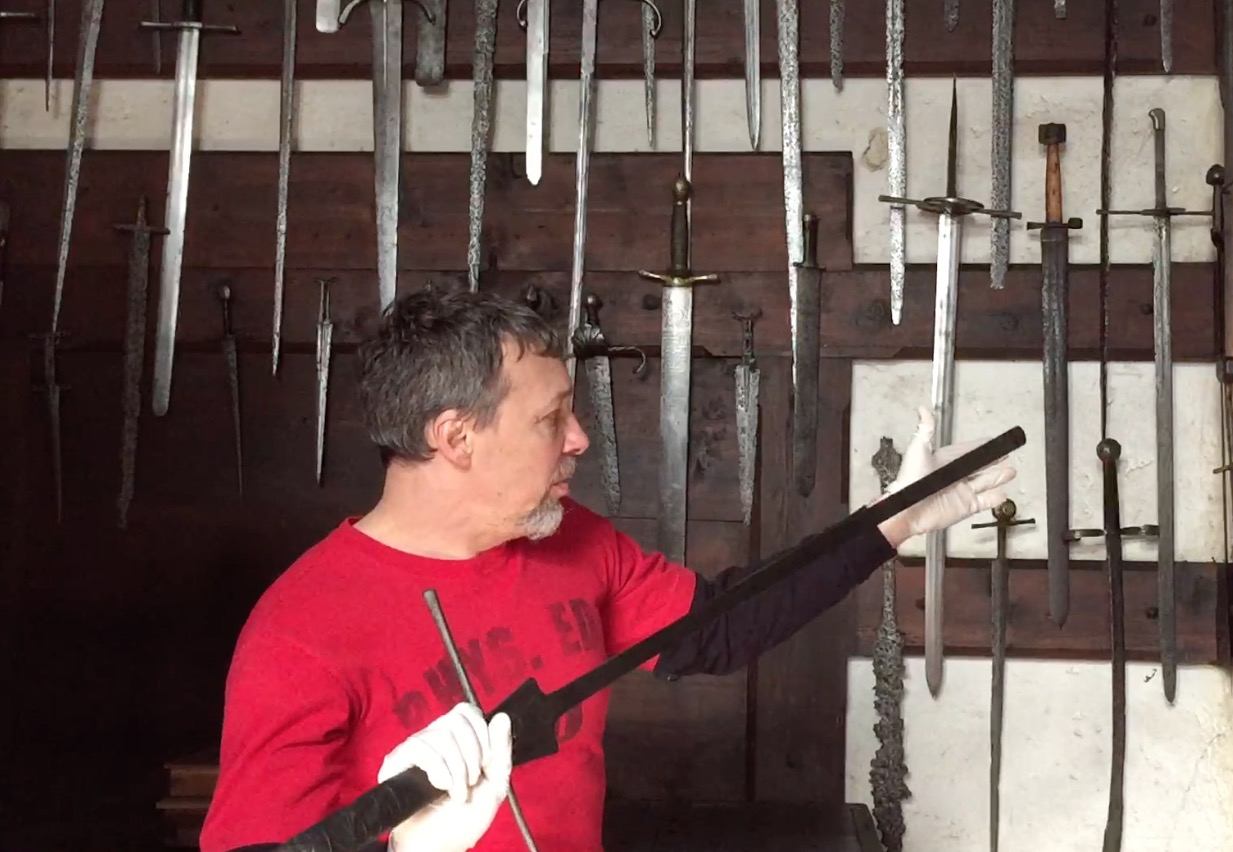 John
has been featured twice on The History Channel,
instructed cadets and officers in historical fencing
at West Point, and was a keynote presenter at the Sword
2000 event of the New England Bladesmiths
Guild, as well as the Schola St. George
Medieval Swordsmanship Symposium 2001 in San
Francisco. In 1982, he founded the original Medieval
Battling Club, and in 1999 was the creator
and a founding member of the original Swordplay
Symposium International. He also
presented at the 2001 Texas Medievalists Association
annual conference in San Antonio, the 2003
conference at the University of St. Thomas, and the
13th Biennial New College of South
Florida conference on Medieval-Renaissance Studies
2002. He has lectured for the History,
Anthropology, and Military Science departments at
both Texas A&M and Texas A&M International
Universities. He has presented on Medieval
and Renaissance combatives to classes at Brigham
Young University, Rice University, Sam Houston State U. and Furman
Universities. John has lectured on
historical combat at the
John
has been featured twice on The History Channel,
instructed cadets and officers in historical fencing
at West Point, and was a keynote presenter at the Sword
2000 event of the New England Bladesmiths
Guild, as well as the Schola St. George
Medieval Swordsmanship Symposium 2001 in San
Francisco. In 1982, he founded the original Medieval
Battling Club, and in 1999 was the creator
and a founding member of the original Swordplay
Symposium International. He also
presented at the 2001 Texas Medievalists Association
annual conference in San Antonio, the 2003
conference at the University of St. Thomas, and the
13th Biennial New College of South
Florida conference on Medieval-Renaissance Studies
2002. He has lectured for the History,
Anthropology, and Military Science departments at
both Texas A&M and Texas A&M International
Universities. He has presented on Medieval
and Renaissance combatives to classes at Brigham
Young University, Rice University, Sam Houston State U. and Furman
Universities. John has lectured on
historical combat at the 
 Clements is also a founding patron member
of the
Clements is also a founding patron member
of the