Was Hutton right about Marozzo? (and what about half-sword?)

For Historical European Fighting Arts, Weaponry, & Armor

Moderators: Webmaster, Stacy Clifford

User avatar
James Brazas
Posts: 229
Joined: Mon Jul 25, 2011 2:29 pm
Location: Virginia Beach, VA

Was Hutton right about Marozzo? (and what about half-sword?)

Postby James Brazas » Wed May 28, 2014 1:01 pm

I was reading through some of Alfred Hutton's commentaries on the historical Masters of Defense and he had some rather curious thing to say about Marozzo.

He claimed that Marozzo's style was mostly cutting and that the thrust was "rarely used." How true was that? I know the Bolognese School employs plenty of thrusting. Was he simply comparing it to the later Italian rapier schools?

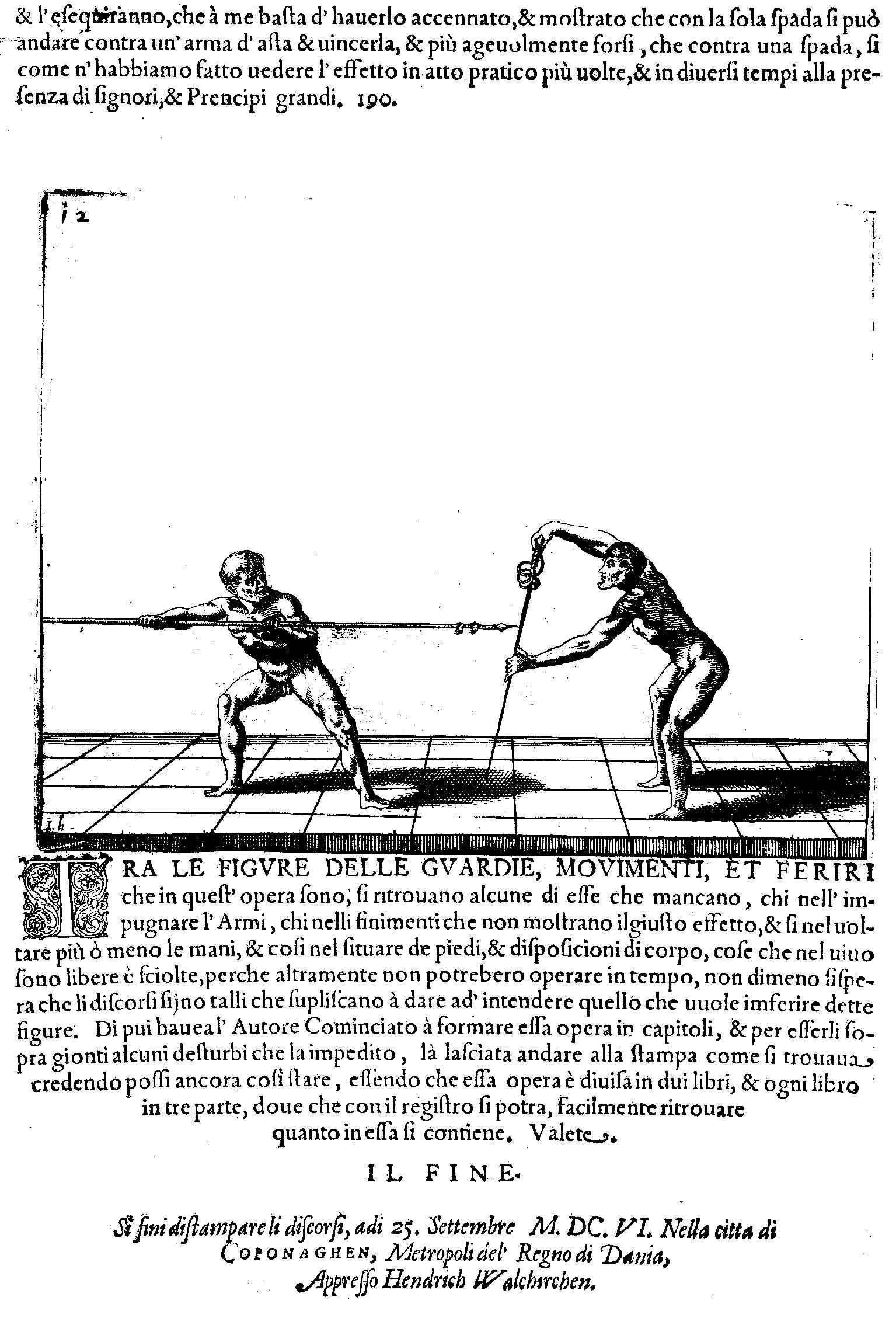
Also, on a mostly unrelated subject, I know Fabris includes a technique about using the long rapier in the half-sword grip against pole-arms.

For more "side sword" or "military rapier" type weapons, is there any evidence in the manuals of them being used in half-sword grip or peforming Mordhau or Mordschlag type techniques?

LafayetteCCurtis
Posts: 421
Joined: Sat Nov 04, 2006 7:00 pm

Postby LafayetteCCurtis » Wed May 28, 2014 3:08 pm

Yes, he was probably comparing Marozzo to later fencing styles, but it's worth noting that most of the 16th-century Bolognese works (let's say Marozzo, Manciolino, and Dall'Agocchie at the very least) really made much use of the cut. Go search for Ilkka Hartikainen on Facebook, Youtube, and the blogosphere for more.

User avatar
James Brazas
Posts: 229
Joined: Mon Jul 25, 2011 2:29 pm
Location: Virginia Beach, VA

Postby James Brazas » Wed May 28, 2014 5:01 pm

OK, thanks! Yes I've seen some of Ilkka Hartikainen's material. It's good stuff!

I knew Marozzo was earlier and likely more cutting-oriented than, say, Di Grassi. Mostly I just wanted to see if Hutton was over-stating things. He seems to have a habit of doing that. (For instance, he claimed that sword-and-buckler "swiftly disappeared" when rapier-and-dagger was developed. Except we have surviving bucklers from Jamestown in the 17th Century and ample evidence that the two co-existed for generations.)

Does anyone have any comment about the historicity of using half-sword and murder-stroke techniques with the side sword/military rapier?

LafayetteCCurtis
Posts: 421
Joined: Sat Nov 04, 2006 7:00 pm

Postby LafayetteCCurtis » Thu May 29, 2014 1:28 am

I've seen half-swording on a couple of occasions -- the latest example might even have been from the smallsword era. I don't exactly remember what the contexts were but fighting against polearms would make sense since half-swording would allow the smallsword user to oppose the polearm's movements with better leverage (which the smallsword usually lacks due to its light weight and the loose "pinch" grip used for it).

On the other hand, I've seen no example of the Mordschlag/Mordhau in rapier, smallsword, or classical fencing materials thus far. This absence wouldn't be surprising since there's not much point in swinging the pommel against an unarmoured enemy; the point is much deadlier and some works with a more "streetfighting" character already include the pommel-bash with a normal grip (the kind that would be familiar to any Silver or Fiore student).

(Edit: checked the Fabris reference. This is probably what you mean: http://www.thearma.org/Manuals/Fabris/book2/04023257.jpg and if so, it's unfortunately just the kind of "teaser" usually found at the end of Italian sword and rapier works from the era -- something along the lines of "I can show you how to fend off polearms, too. Here's an example, but if you want more you'll have to sign up for my school.")

User avatar
James Brazas
Posts: 229
Joined: Mon Jul 25, 2011 2:29 pm
Location: Virginia Beach, VA

Postby James Brazas » Sun Jun 01, 2014 8:29 pm

OK! That makes a lot of sense. I thought that they would probably continue to do half-swording with later weapons, but it's good to verify that. Thanks!

And true, it makes sense that the Mordhau would be somewhat useless once full plate armor went by the wayside.

As far as Fabris goes, yes that was the plate I was referring to. While you're right that it is just a teaser, the plate seems to indicate that the technique would have involved half-swording of some sort.

LafayetteCCurtis
Posts: 421
Joined: Sat Nov 04, 2006 7:00 pm

Postby LafayetteCCurtis » Mon Jun 02, 2014 1:09 am

Mind you that half-swording with the smallsword would have been quite a rare thing -- much rarer than even wrestling at the sword, which remained fairly common in German smallsword manuals. And there are smallsword manuals that show or describe ways to fend off polearms without half-swording (for instance, Sir William Hope asserts that his "high seconde" hanging guard would do the job just fine).

User avatar
James Brazas
Posts: 229
Joined: Mon Jul 25, 2011 2:29 pm
Location: Virginia Beach, VA

Postby James Brazas » Mon Jun 02, 2014 12:43 pm

True, true. It makes sense that the farther you get away from the longsword and armor the less you will see half-swording. Yet you might still see it occasionally in sword vs. pole-arm.

Plus, it's a lot easier to set aside a bayonet thrust than it is to parry a pollaxe cut. So I can see how Sir William Hope's high seconde guard might be good enough to use against the bayonets of his day.

So that all makes perfect sense. Thanks!


Return to “Research and Training Discussion”

Who is online

Users browsing this forum: No registered users and 34 guests


Note: ARMA - The Association for Renaissance Martial Arts and the ARMA logo are federally registered trademarks, copyright 2001. All rights reserved. No use of the ARMA name or emblem is permitted without authorization. Reproduction of material from this site without written permission of the authors is strictly prohibited. HACA and The Historical Armed Combat Association copyright 1999 by John Clements. All rights reserved. Contents of this site 1999 by ARMA.