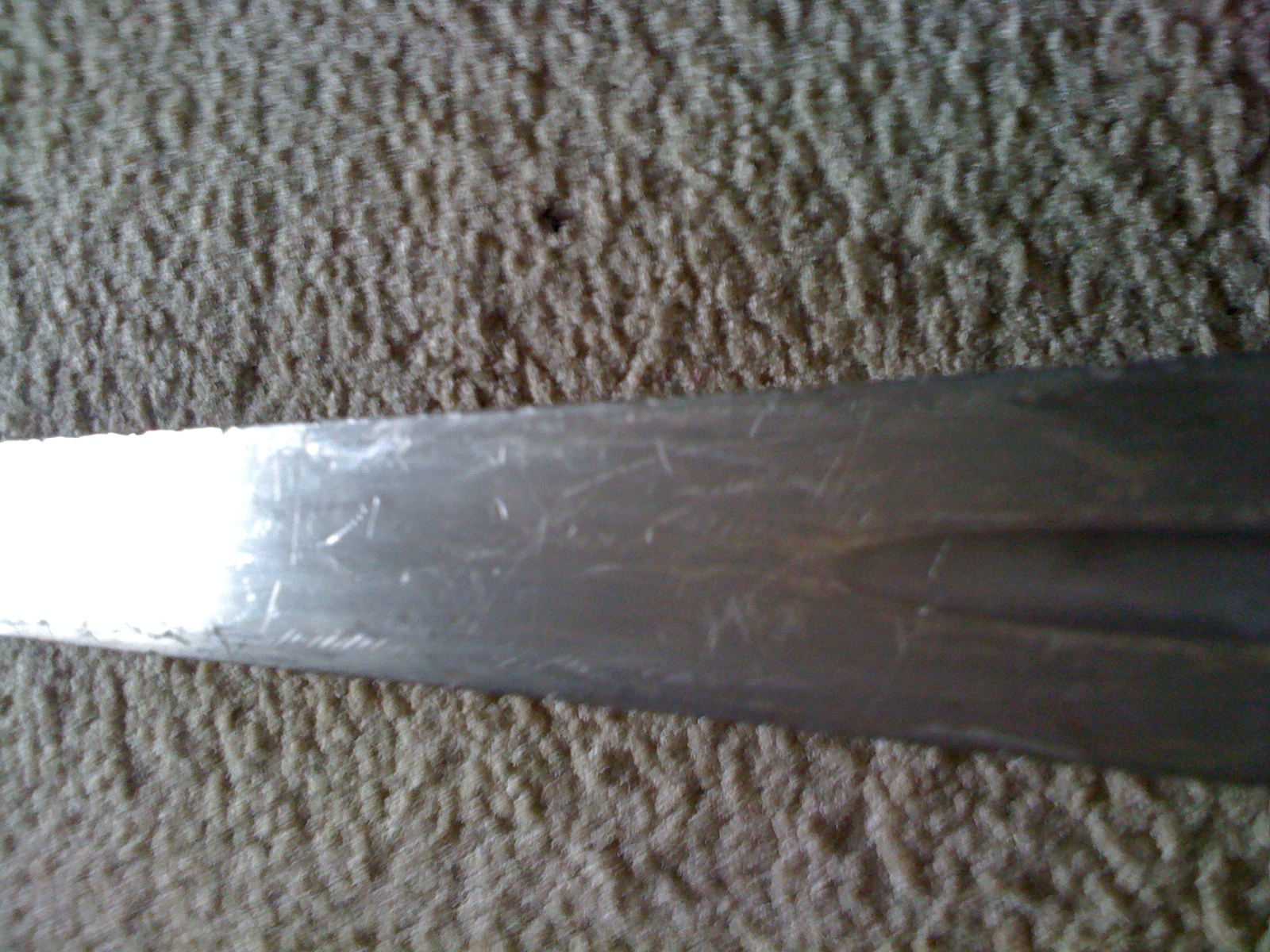
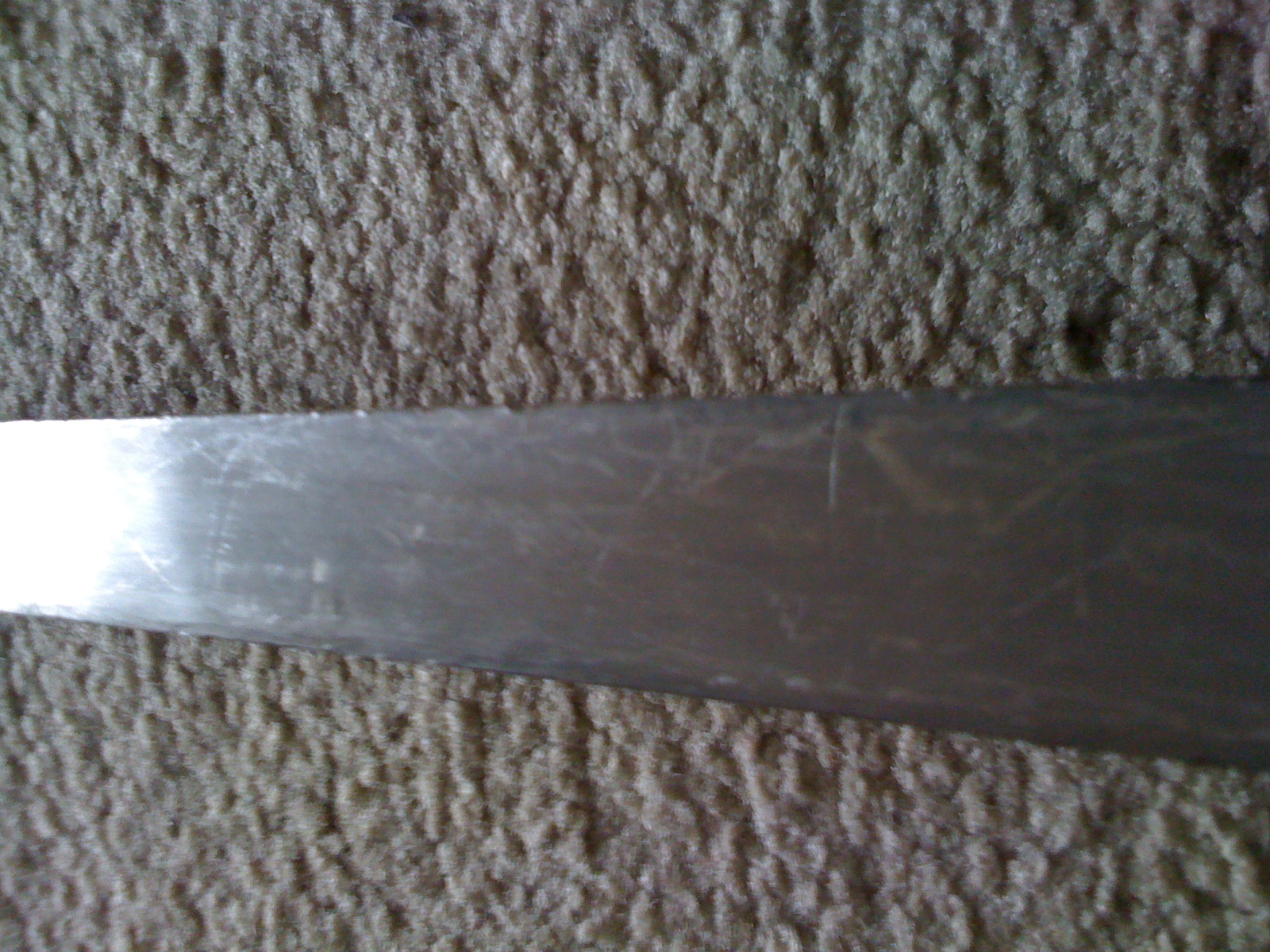
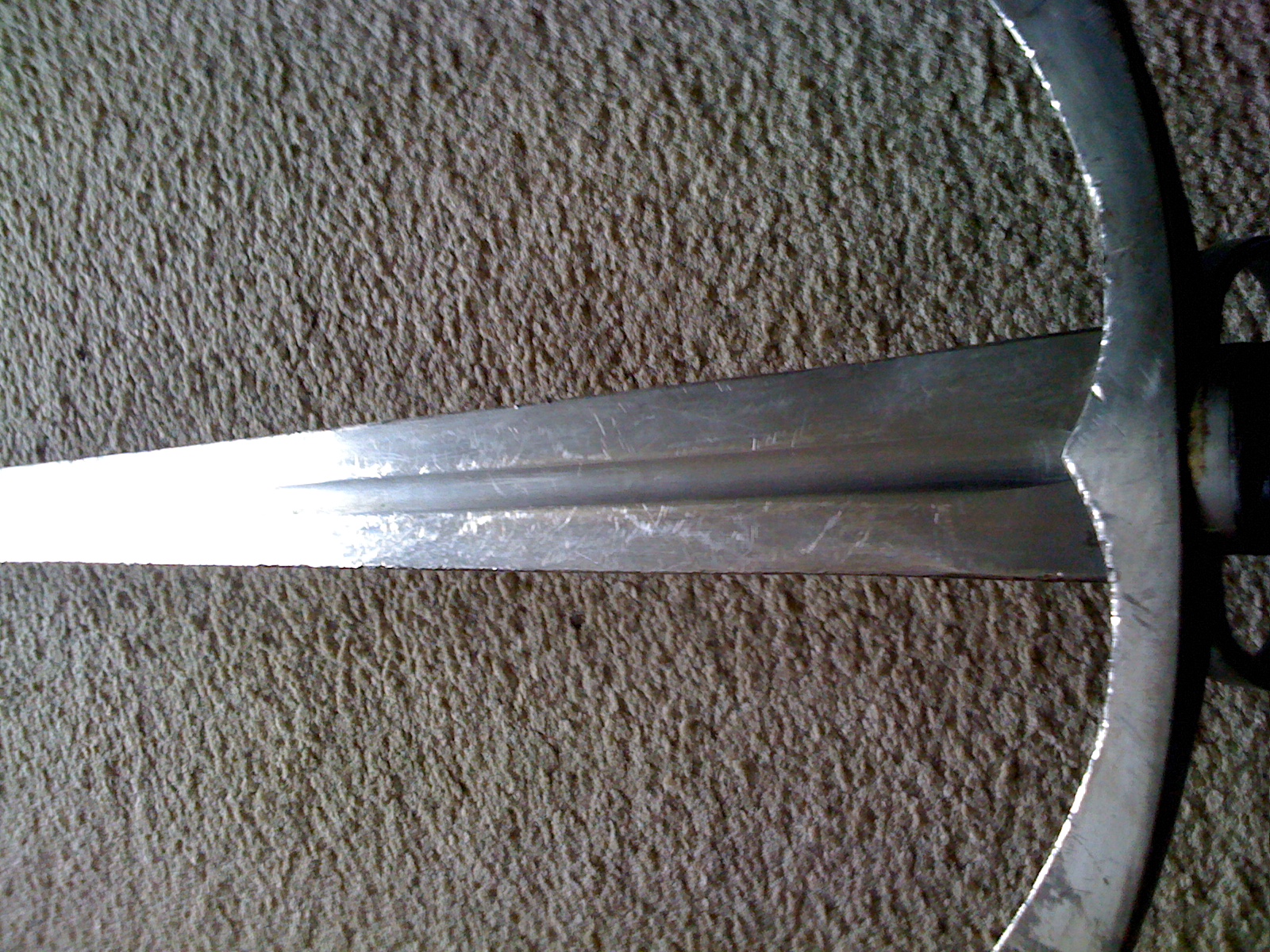
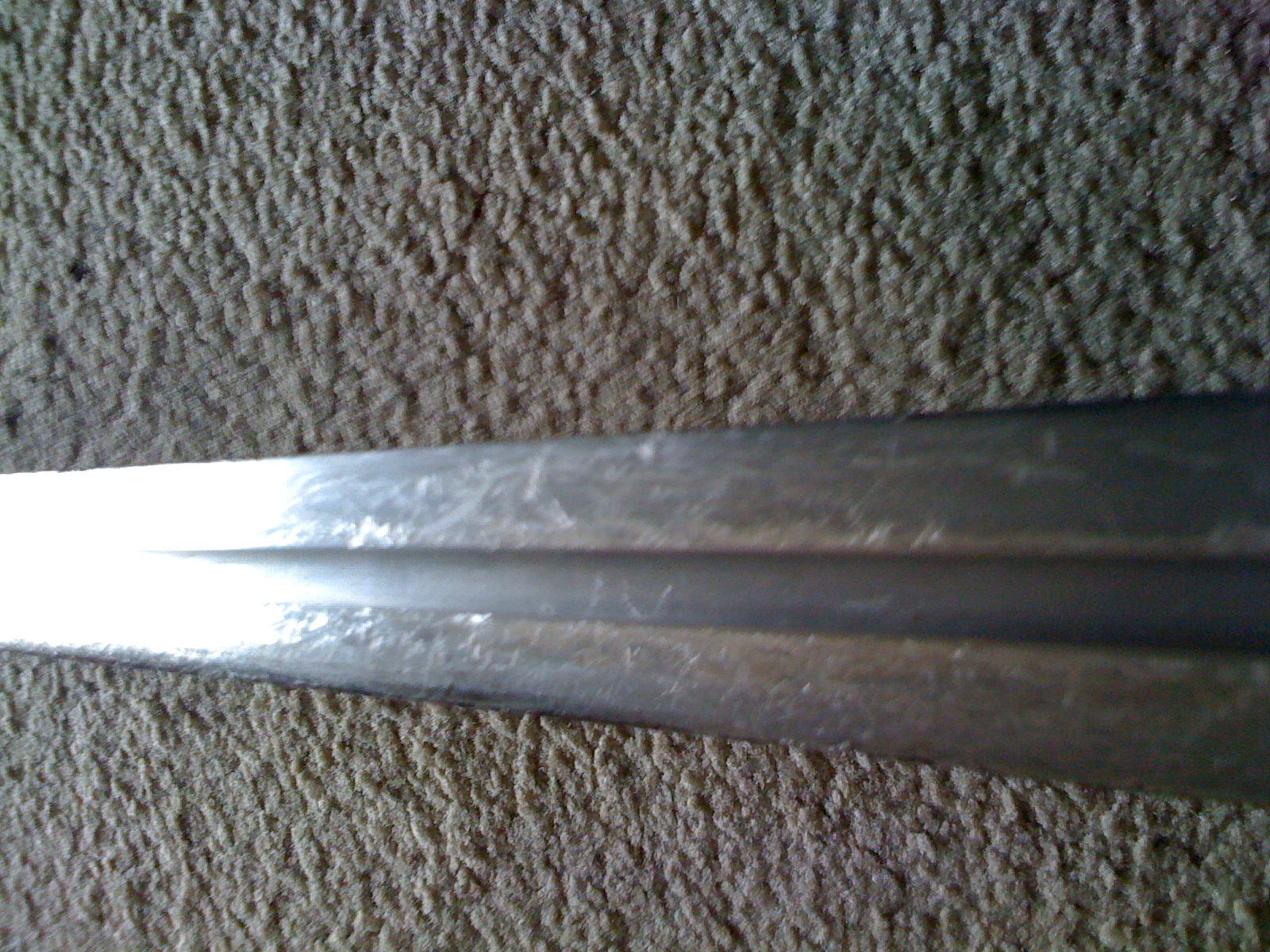
I'm doing my Archaeology masters at Newcastle University in the UK and this semester I'm taking a class where we look at the use traces on bronze age artefacts.
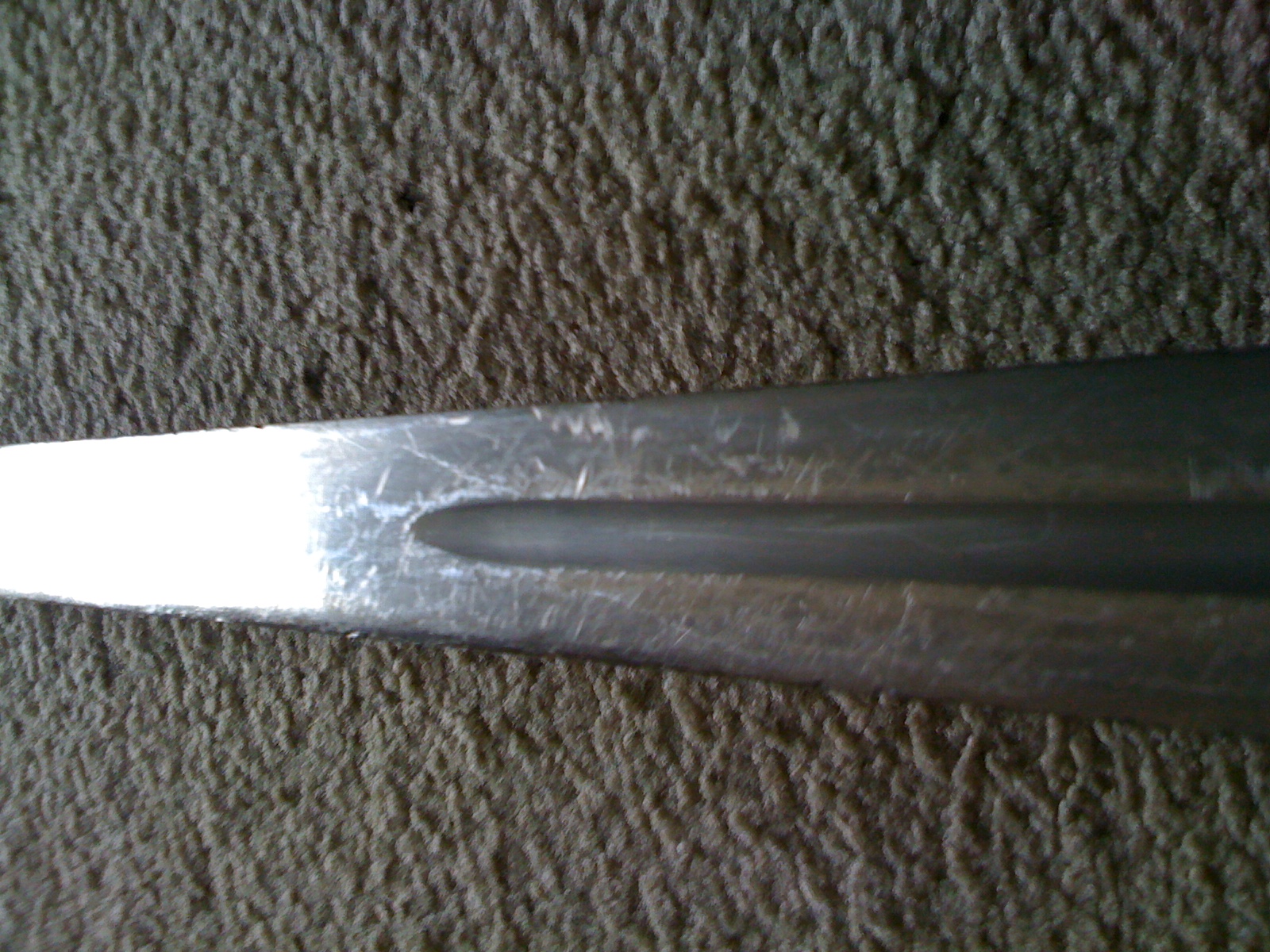
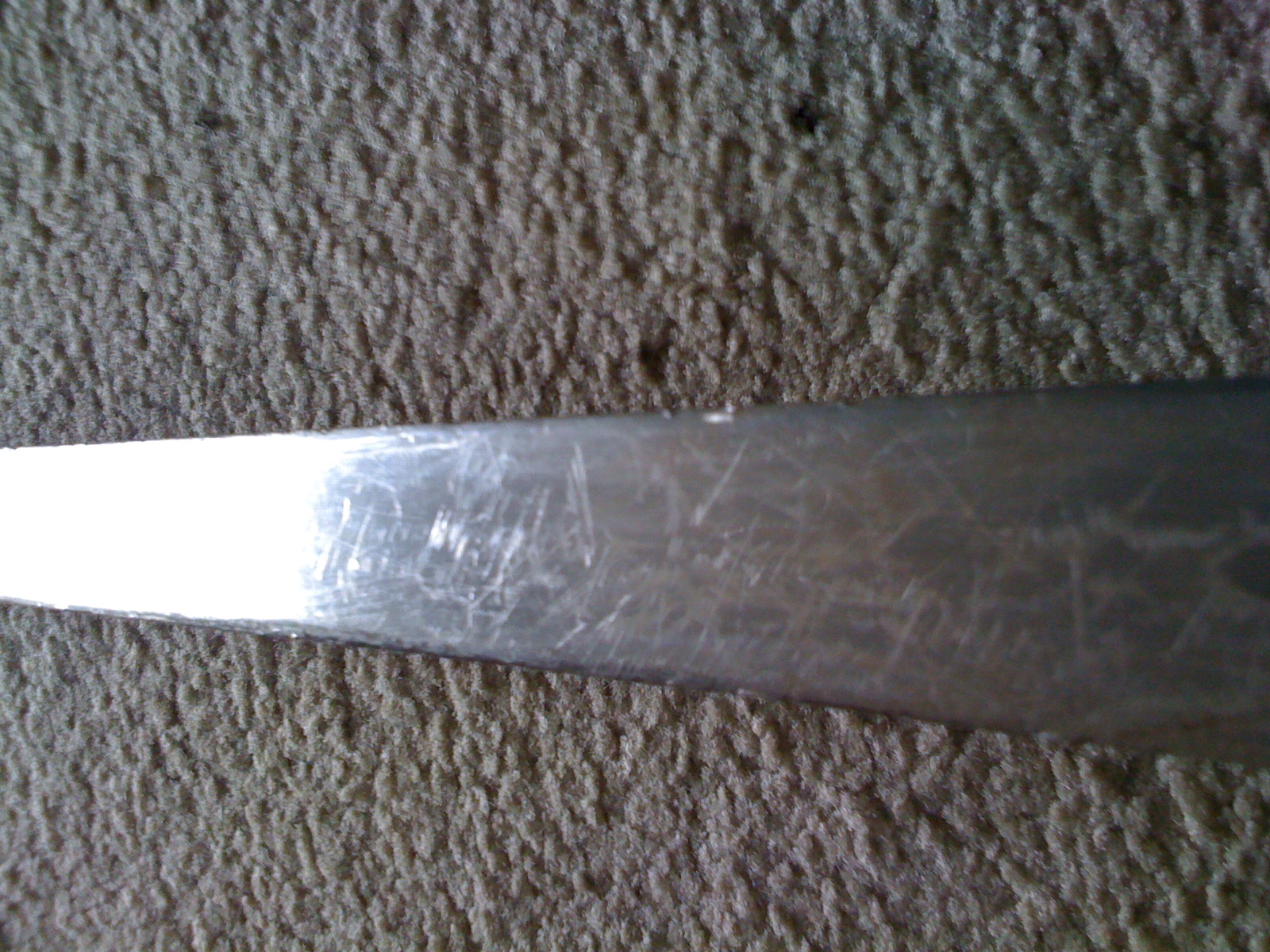
For my project in this class I'm looking at use wear traces on bronze swords. My professor mentioned that in the past it was quite likely that people parried with the flats of their swords (Which is how I eventually found this website!), as blocking with the edge does significant damage to the sword. This is especially the case with bronze weaponry, and we have some quite good examples of swords here with significant blade damage.
A lot of research and experimentation has already been done on damage to sword edges. Nothing has been done on traces left on the flat of a sword from parrying an opponents blade - yet on a bronze sword these should be quite visible.
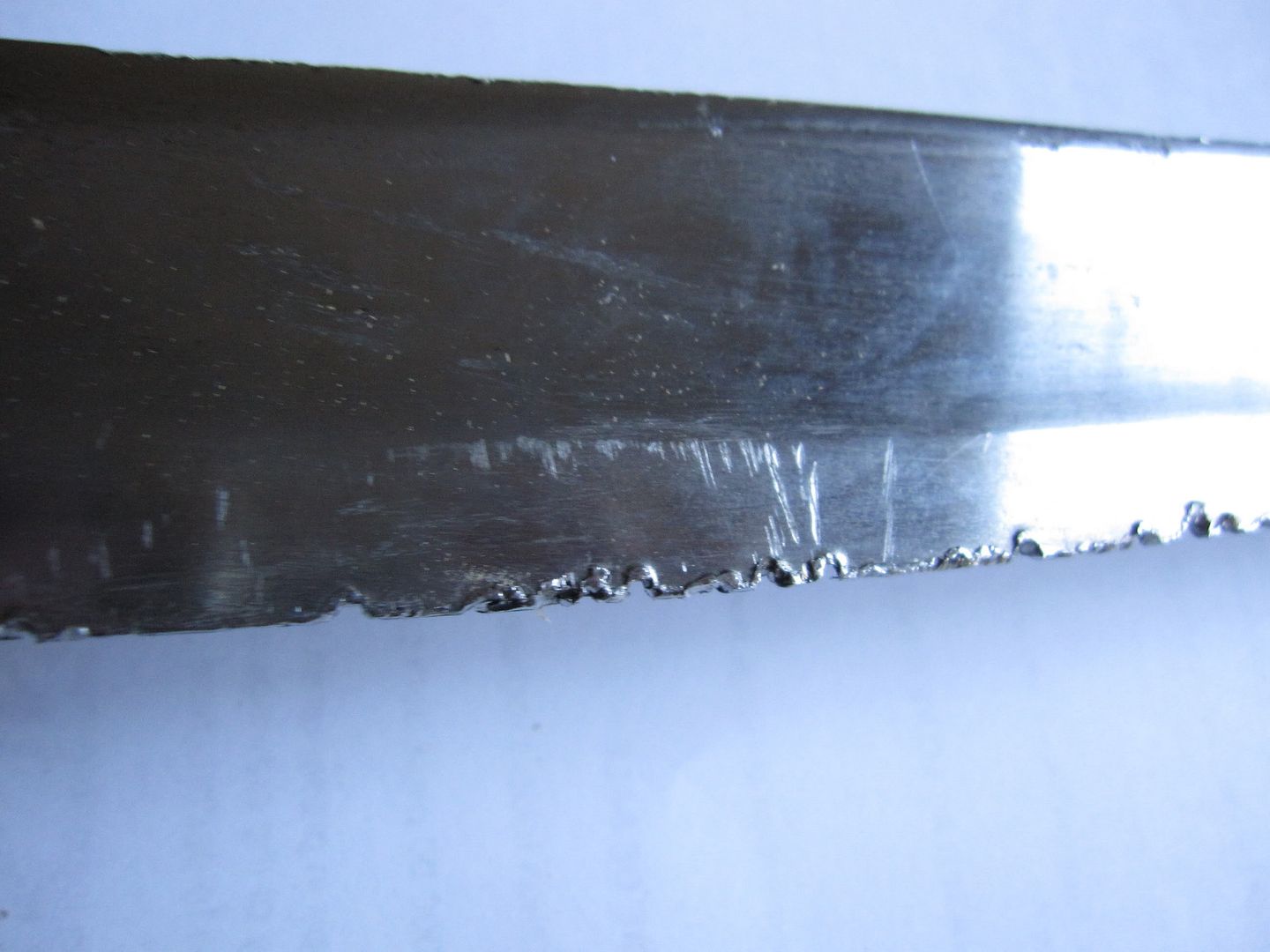
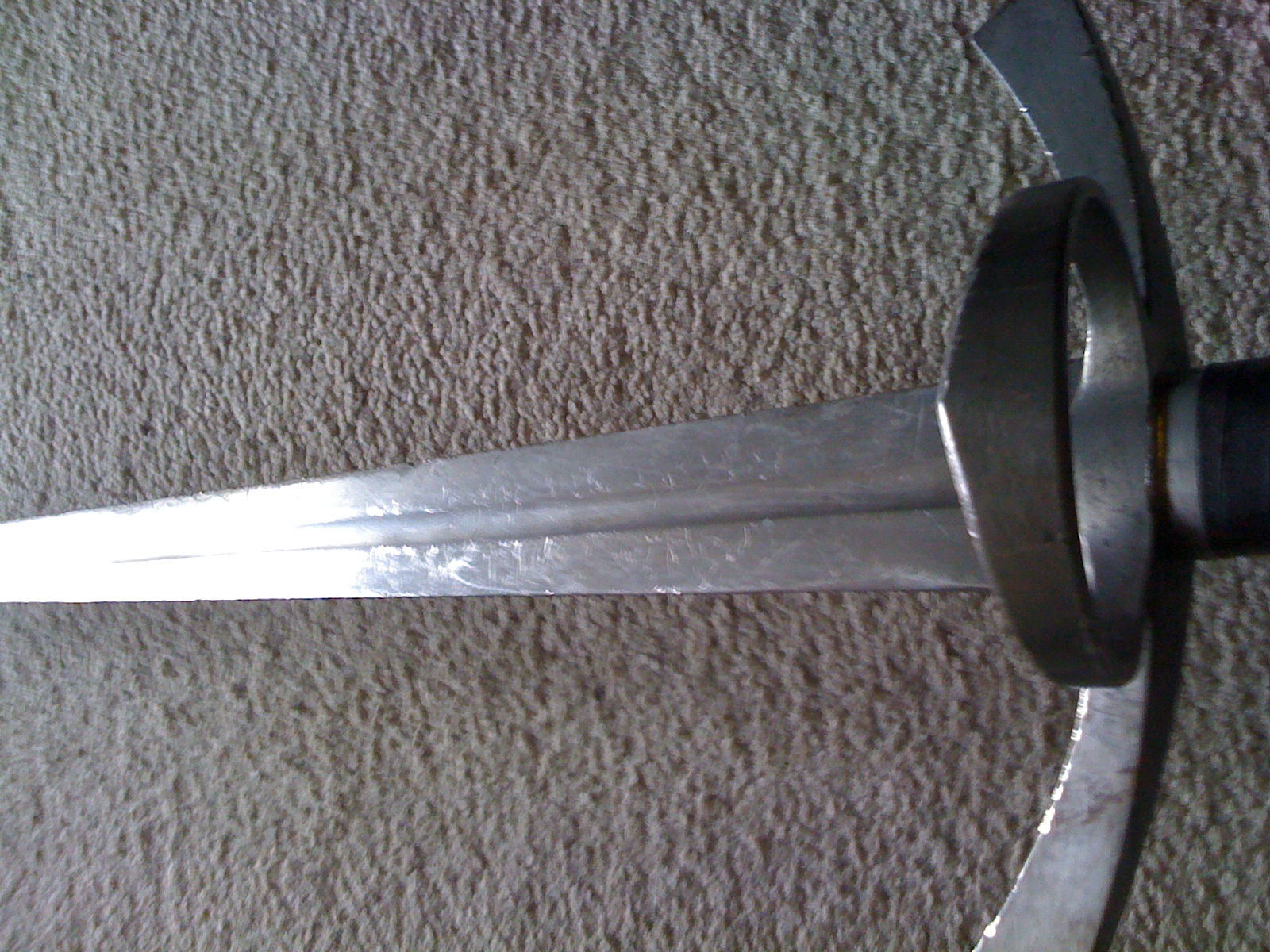
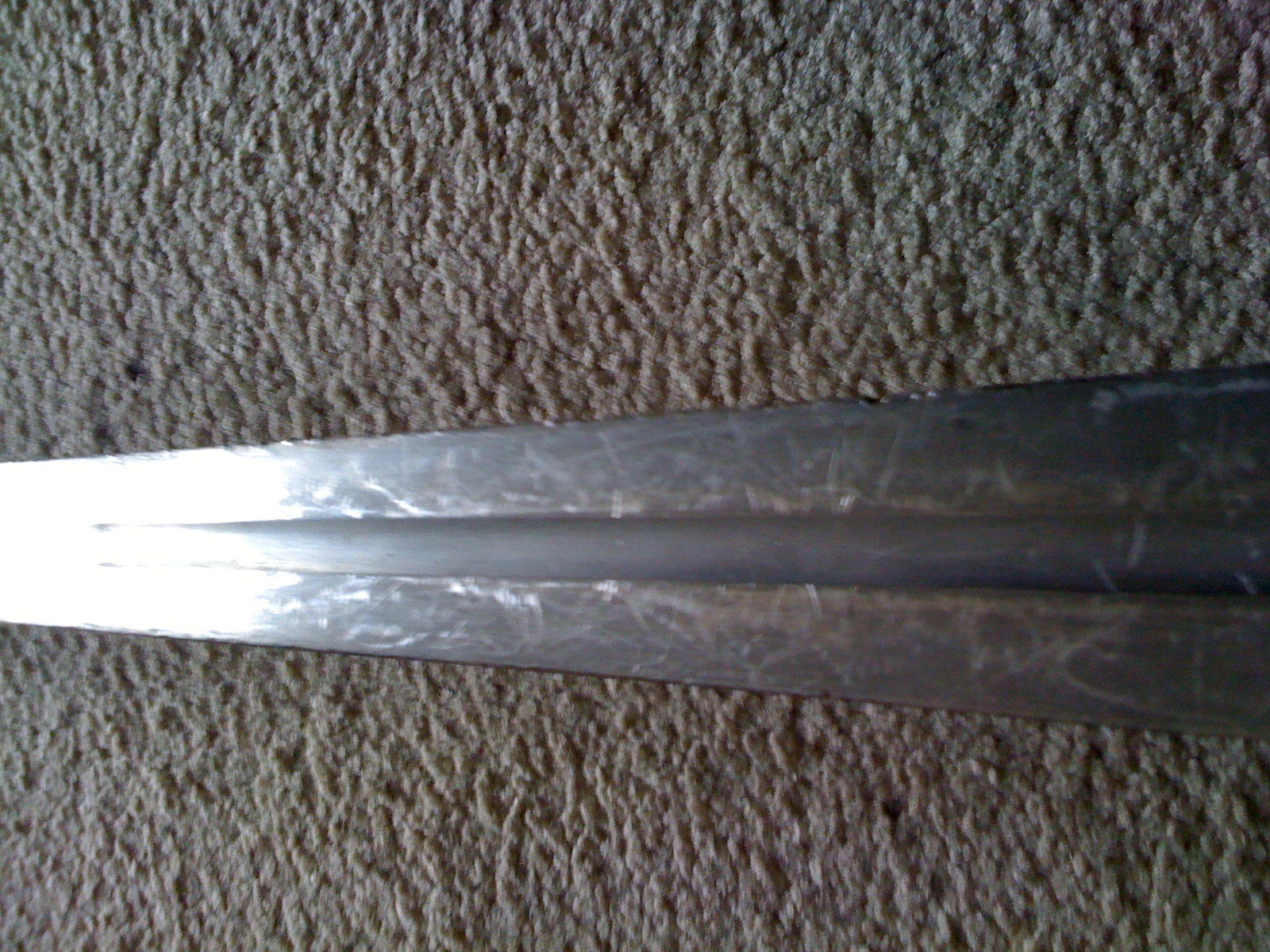
I want to look into this. I've noticed a variety of what look like cut marks on the flat of two of my four swords. These are perpendicular or at a diagonal to the blade, as one would expect from parrying an incoming blade. They are too deep and wide to be polishing or sharpening marks.
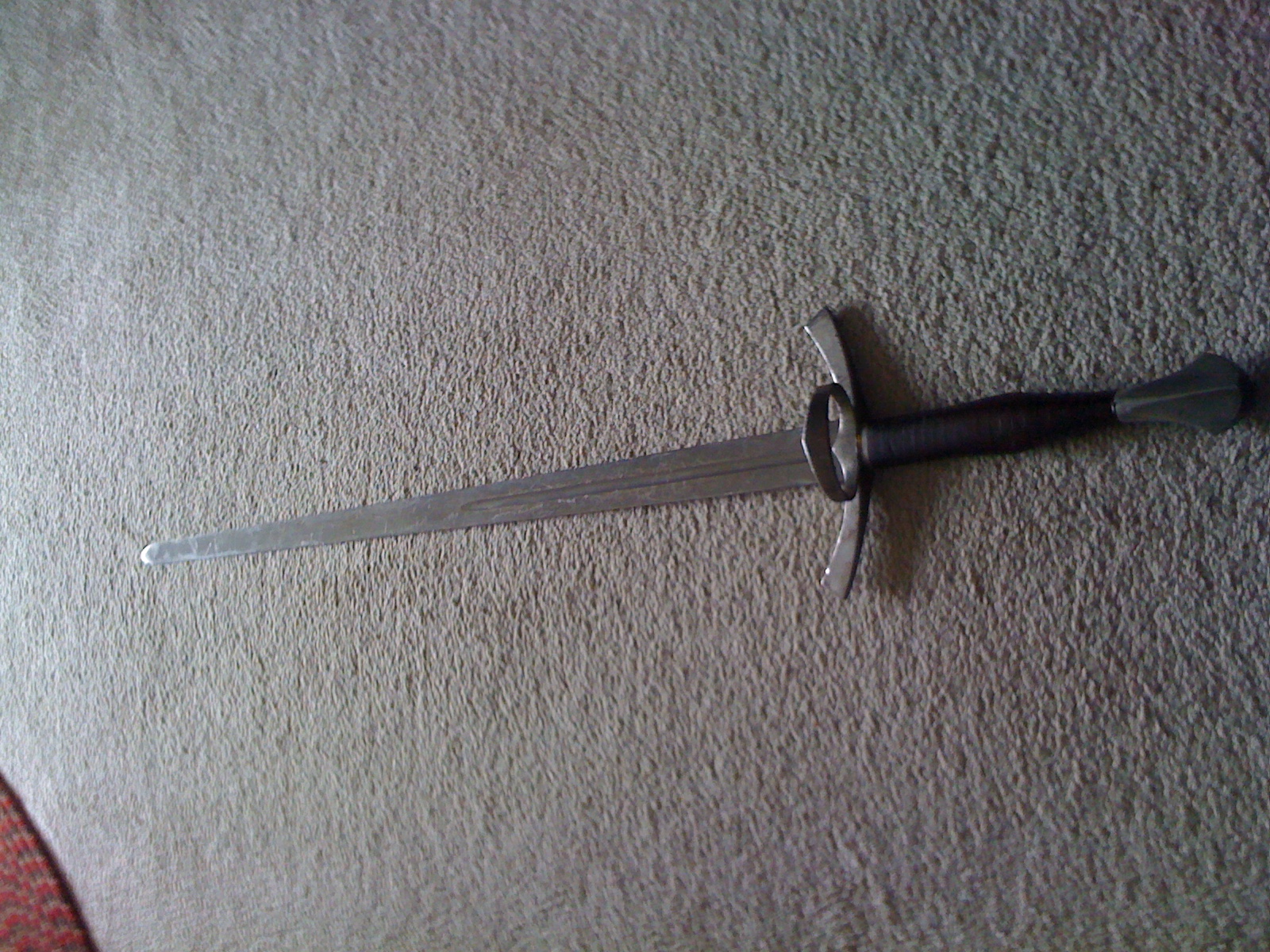
This is where you guys could hopefully help me! I was wondering what kind of damage your swords get from parrying, and where on the sword. I know the steel you use is significantly harder and more brittle than prehistoric bronze, but I'm assuming if you bang two bits of metal hard enough, there is bound to be some traces. And of course, Renaissance techniques are probably much different to prehistoric techniques - but I think the need to keep the blade intact is universal.
If you could provide some written testimony, it would be great. If you can provide close up pictures, it would be even better! I'll of course reference this site and anyone who helps out in my paper.
Thanks for any help! My assignment is due in on the 20th, so any help quick would be nice
 As a bonus, when I get home I'll provide you guys some pictures of what people 3,000 years ago were using for combat.
Regards,
Alberto