The edge versus flat debate has been done to death when it comes to longswords and there is still no wide consensus in the WMA community at large to speak of . But now lets come at this from a new angle and discuss something that is potentially the next big debate on the horizon when it comes to medieval sword and shield in my opinion.
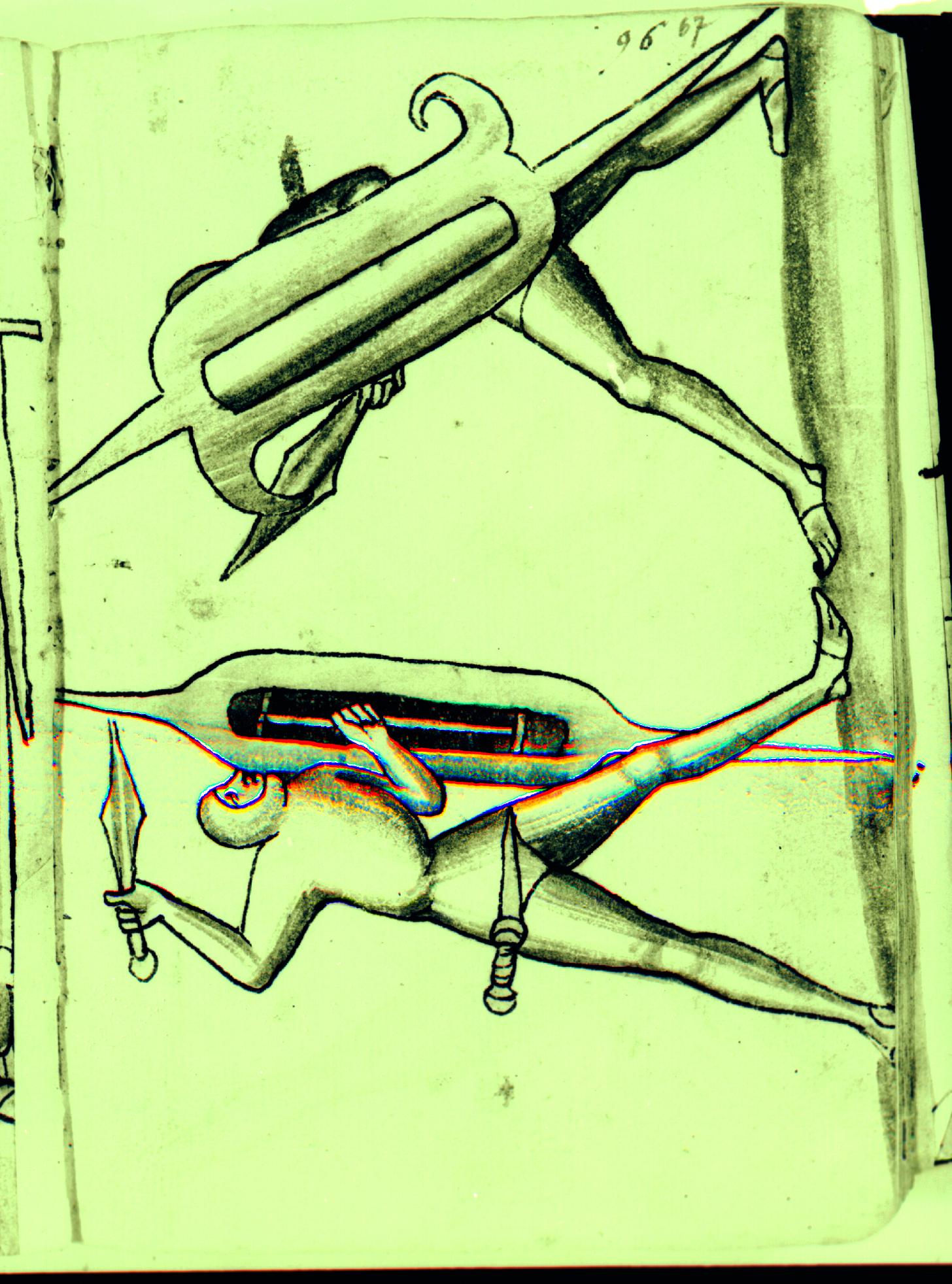
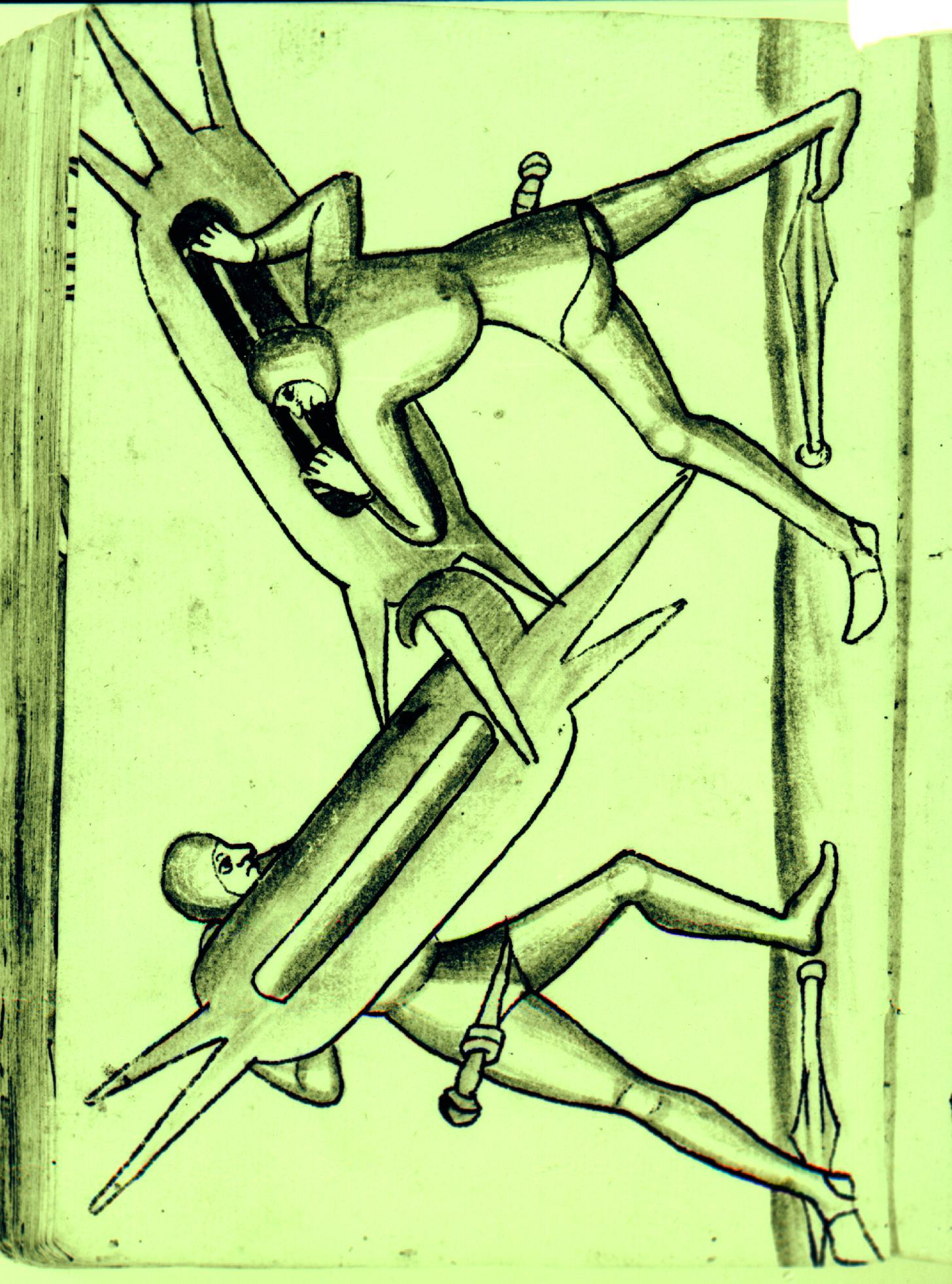
When employing a medieval kite, heater or round,there is some debate concerning the value of employing them as one would the medieval dueling shield as seen here http://www.thearma.org/Manuals/198.jpg http://www.thearma.org/Manuals/199.jpg
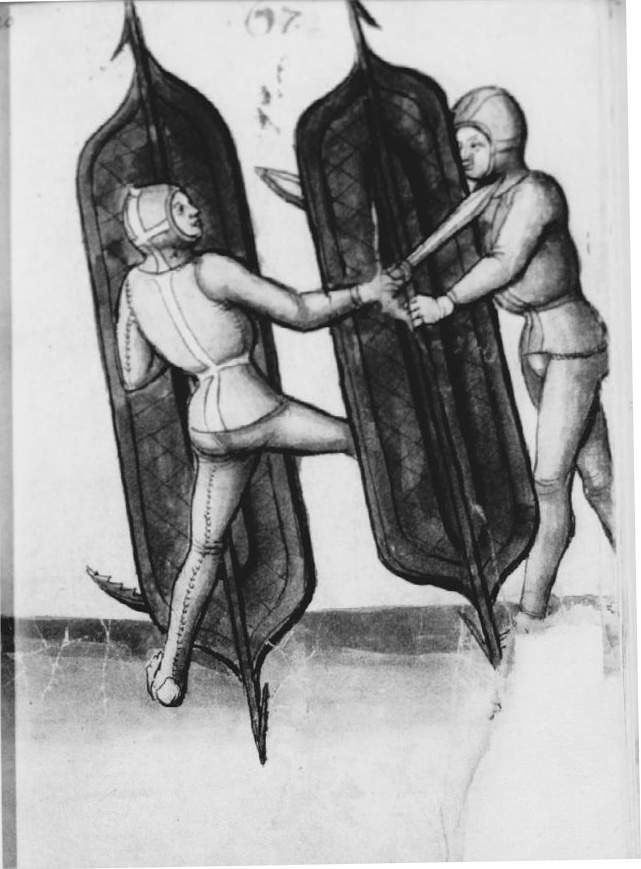
http://www.thearma.org/Manuals/SoloT/0021.jpg
Some may argue that this evidence suggests that the kite/round/heater shields would be employed in a sweeping left to right rotating motion that results in blows being taken on the flat of a shield face as a fairly fast rule.(It seems to my mind that the rotational style of fighting seen with the dueling shield form may well be so because it is necessary to rotate it's bulk around the axis of the grounded point particular to the form)
In my own sword and shield work which is based on the battlefield shield-wall concept of maintaining maximum cover while returning fire simultaneously and the concepts put forth by John Clements in his book "Medieval Swordsmanship",I maintain the face largely oriented forward. In doing so,many blows will be parried from the rim, or edge if you will, of the shield. Shots to the left will generally fall fairly flat on the face as I frequently turn my left elbow into the cut a bit which allows the shield to assume about a 45 degree angle from my center front line. Shots to the right I will simply deal with by moving my left elbow slightly right and let the shot fall on the rim while I take off the offending arm of my opponent(when all goes well anyways). I likewise parry overhead shots with the rim via a subtle raising of the shield(while maintining vision over it). This style seems to lend an incredible economy of motion and is a very intuitive method of employment in my opinion.
The flat parry advocates may state that by twisting the body and moving the shields flat to your right side, you may likewise parry/stop these blows on the flat.I will concede that that will work in the absolute sense but it may well leave you very open to an elbow push from the bind depending on the opponent and his armament.It also seems a bit more awkward in earnest application. I am not a big fan of having one of my limbs crossed over my body while enaged in close combat whether unarmed or armed.The odds of being tumbled to the ground and bound seem much greater.
What do you think? Edge primarily? Flat primarily? Or both? My personal educated guesses(as I deem them LOL!) dictate the judicious use of both.
*Disclaimer; I will point out in advance,I know that my own style is no less an extrapolation or an educated guess that anyone elses.I claim no high ground on this issue and am only seeking to get a feel for what kind of things others are observing in their own work.
 |
||||||||
|
|
||||||||