Postby Roger Norling » Wed Dec 14, 2011 6:49 am
Here's my two cents...
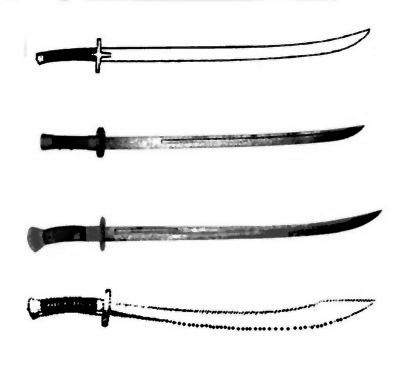
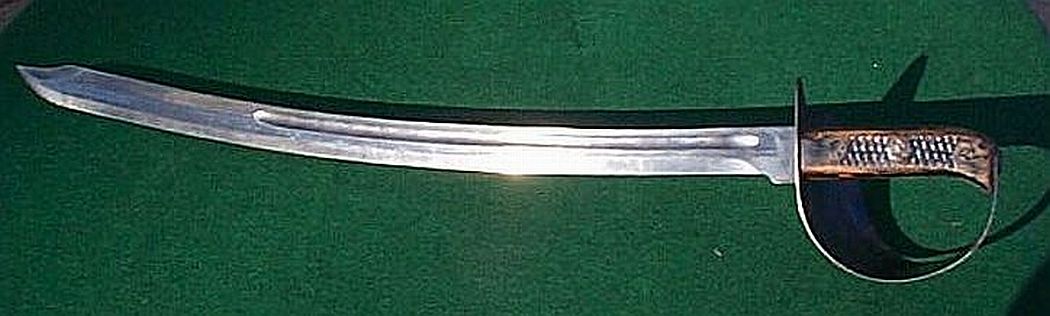
Yep, the messer was a "common" weapon used by peasants and knights alike. The Falchion is a similar weapon but is the sword equivalent. Basically, the blade is the same, but the hilt is a sword hilt, not a knife grip. Btw, for those who don't know it, messer means "knife", as in "knifesmith"; "messerschmidt.
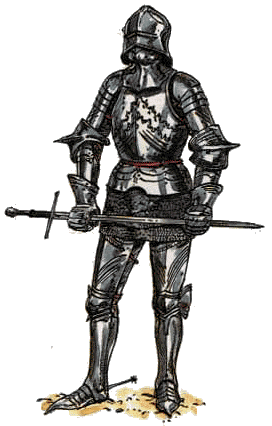
I think the Falchions became less common when plate armour becomes more common for the very reason you describe. Still a few large kriegs messers appear to have been in use on the battle field even in the 1500s. And peasants of course carry large messers at all times.
Considering this, the messer fighting probably has very old roots in traditional fencing and its use was probably more widespread than that of sword fencing. The same can be said for staff fencing and grappling which were common fun for any man.
I also think the knights often stood a substantially lower risk of permanent injury or death than we like to think. In many conflicts, the nobles were much more valued for ransom and there are instances where only 3-4 knights have died, while about 400 were caught for ransom. The foot soldiers death numbers were substantially higher though.
Basically what this means is that the tools of the knights were often used to knock the other knights silly and to kill the worthless and less armoured foot soldiers. A falchion or a messer is well suited for this and more so than thrusting weapons. But, with the plague, social societal changes and the religion wars, the war strategies changed and even the knights were killed instead of being taken for ransom. And the weapons are adapted to this. And as the risks increased, with time, the nobles move farther back from the front lines.
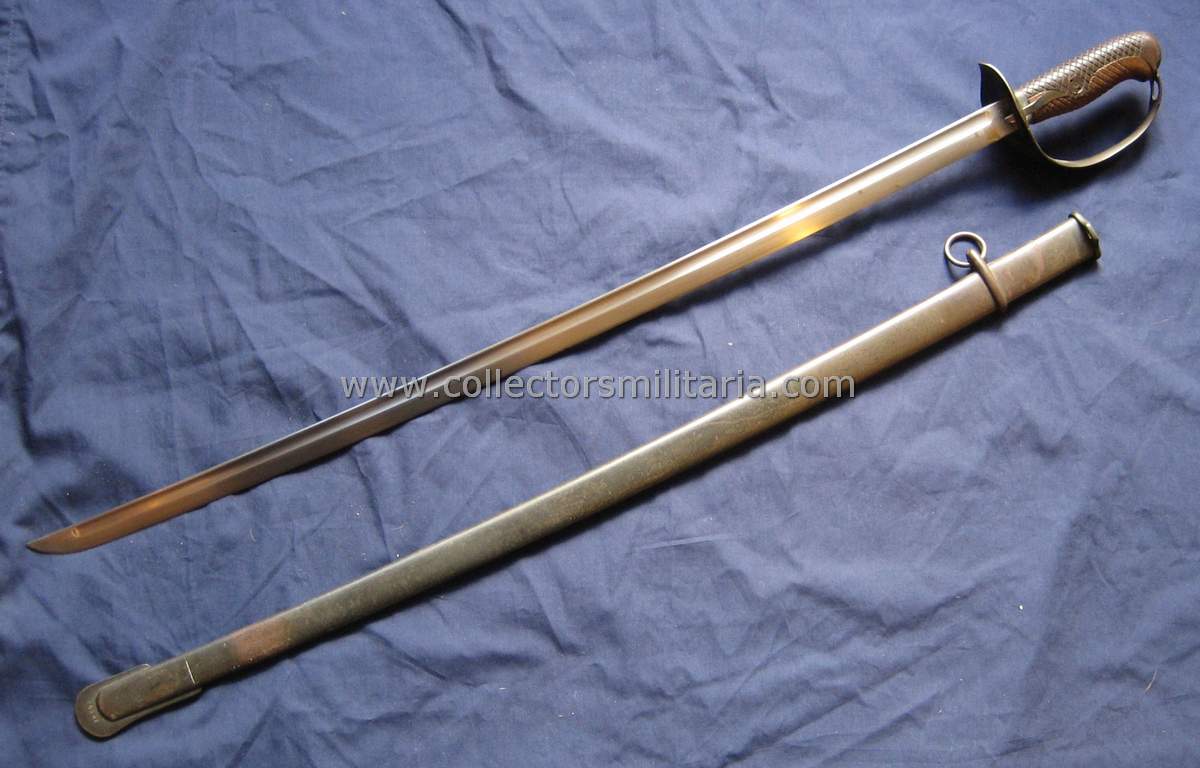
And yes, in a way the falchion and the messer were the precursors of the sabre. However, you need to add the dussacken in between them. They were the evolved messers and had more complex hilts. They are thereby part of that group of swords. They are also often called Sinclair hilts.
The dussacken has been theorized as being a training weapon for the German Landsknechtens Katzbalger, but I think this is wrong. The Katzbalger is a completely different weapon, with two edges, a distinct fishtail pommel that requires special gripping when striking and in some ways it is more reminiscent of the Gladius. It wouldn't surprise me if it was mostly used for thrusting.
The dussacken in its steel form was commonly used by the Swiss Reislaufer. Exactly why it is so prominent in the fencing guilds, the fechtschulen and the manuals in the 1500s is a puzzle that remains to be solved. Joachim Meÿer was of course born in Basel, which might explain his love of it, but not all of the others.